Where Do Baby Bed Bugs Hide?
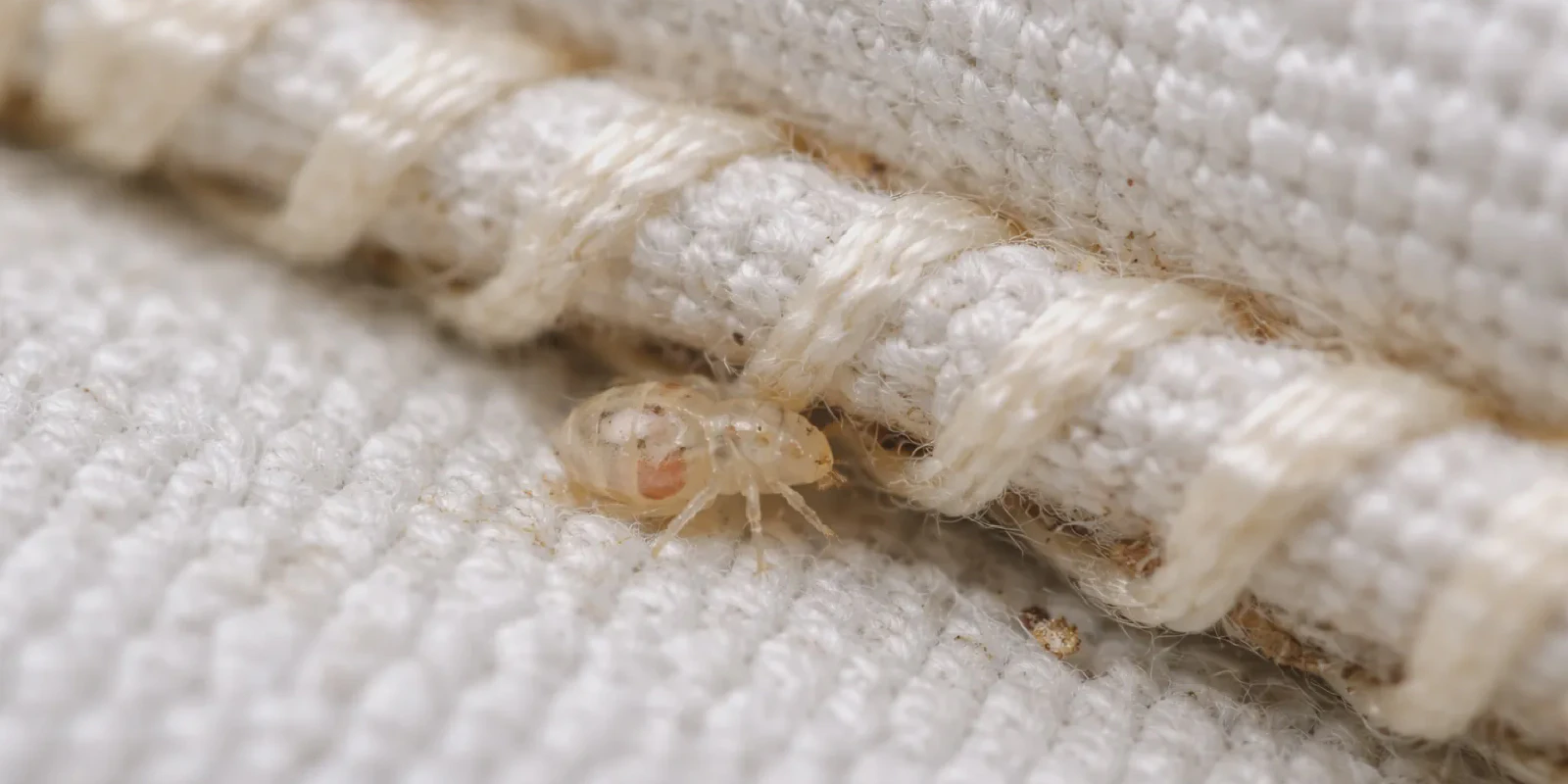
Baby bed bugs hide in the same tight, protected areas as adult bed bugs, but they tend to stay even closer to eggs, adults, and feeding sites. Knowing where do baby bed bugs hide is critical because early-stage nymphs are small, pale, and easy to overlook during casual inspections. Most missed infestations happen because people search open areas instead of focusing on the exact micro-harborage zones nymphs prefer.
Most Common Baby Bed Bug Hiding Places
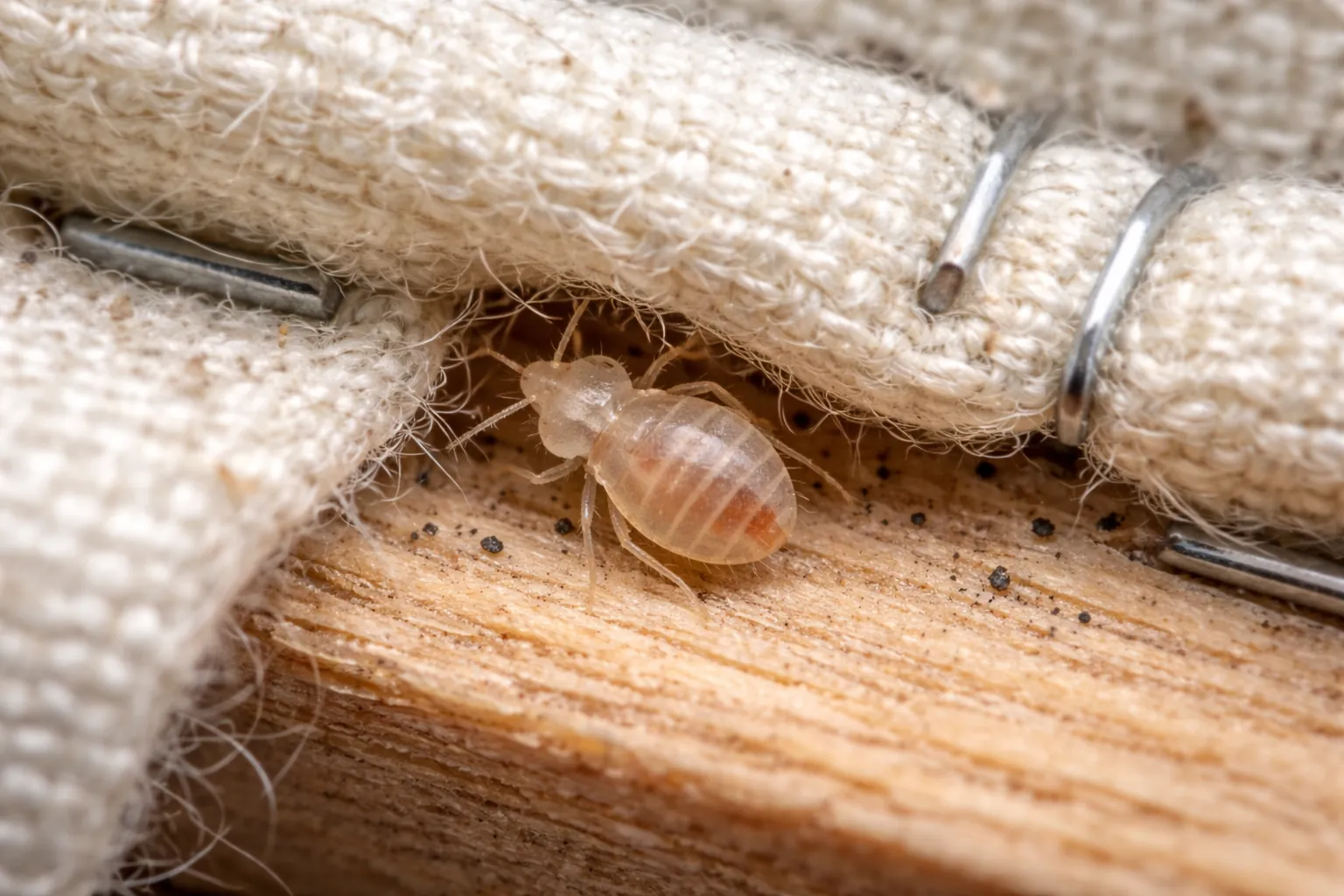
Baby bed bug hiding places are almost always within a few feet of where people sleep or rest. Nymphs do not roam far because they must feed frequently and dry out easily.
The most common locations include:
- Mattress seams, piping, and tags, especially along the head end
- Box spring interiors, wooden frames, and fabric stapling
- Bed frame joints, screw holes, and cracks in headboards
- Behind baseboards, wall plates, and outlet covers near the bed
- Upholstered furniture seams on couches and chairs used at night
Unlike adults, early nymphs rarely spread throughout a room. If you find them, it usually means the core infestation is very close.
Why Nymphs Stay Near Adults and Eggs
Bed bug nymphs hatch directly where eggs are laid. Female bed bugs deposit eggs deep inside protected cracks, which immediately become safe zones for newborn nymphs. Staying close to adults also provides indirect protection, as adult activity tends to remain concentrated around proven feeding locations.
Nymphs also require blood meals more frequently than adults. Remaining near sleeping hosts reduces energy loss and exposure. This behavior explains why infestations appear “sudden” once numbers grow, even though nymphs were present all along.
If you are unsure whether the insects you are seeing are nymphs, understanding how do baby bed bugs look helps confirm what you are dealing with.
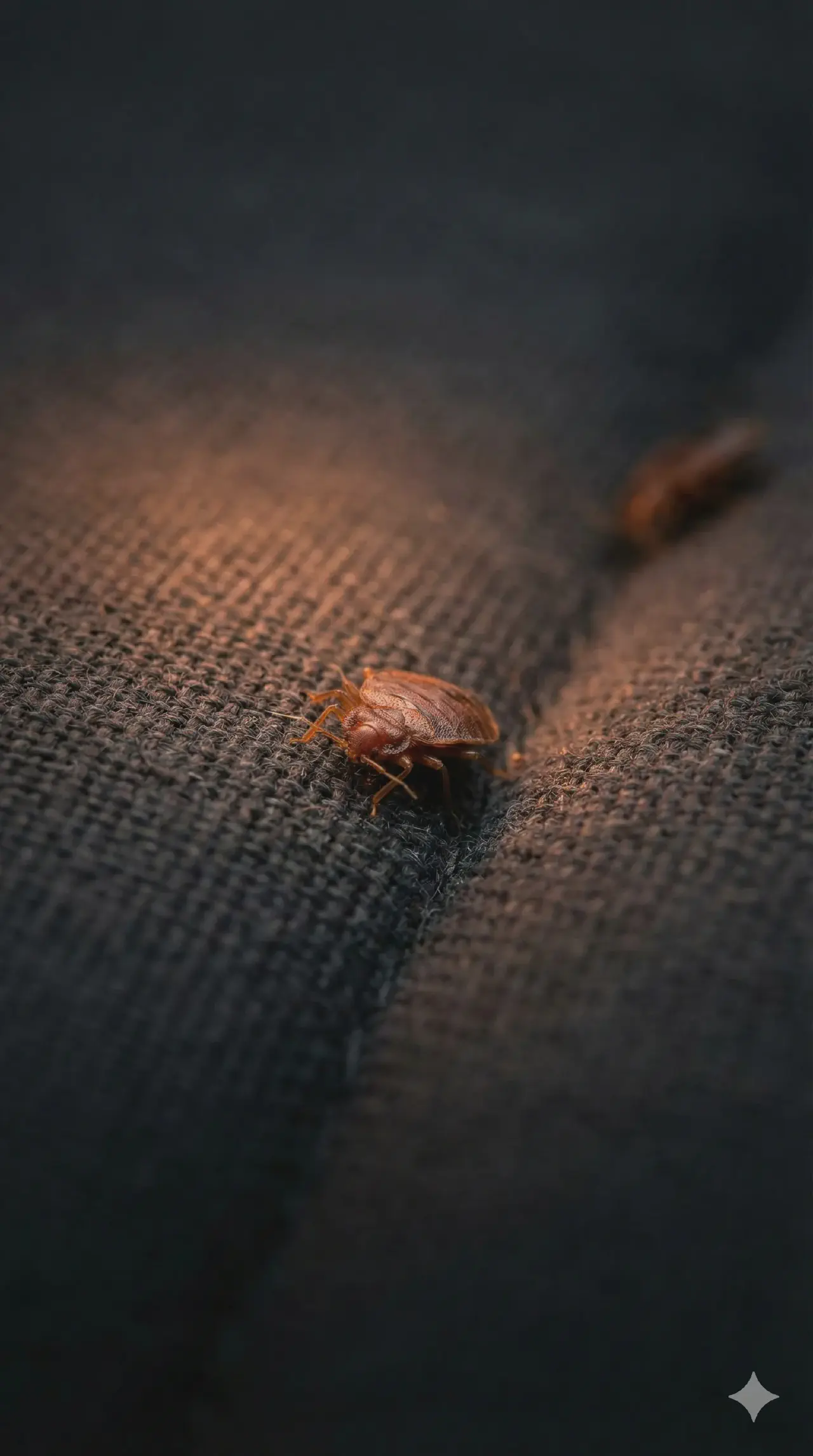
Found Bugs in These Hidden Areas?
If you’ve discovered tiny insects in mattress seams, bed frame joints, or outlet covers near your bed, upload clear photos to confirm whether they match baby bed bug hiding patterns.
How Hiding Behavior Affects Inspection and Detection
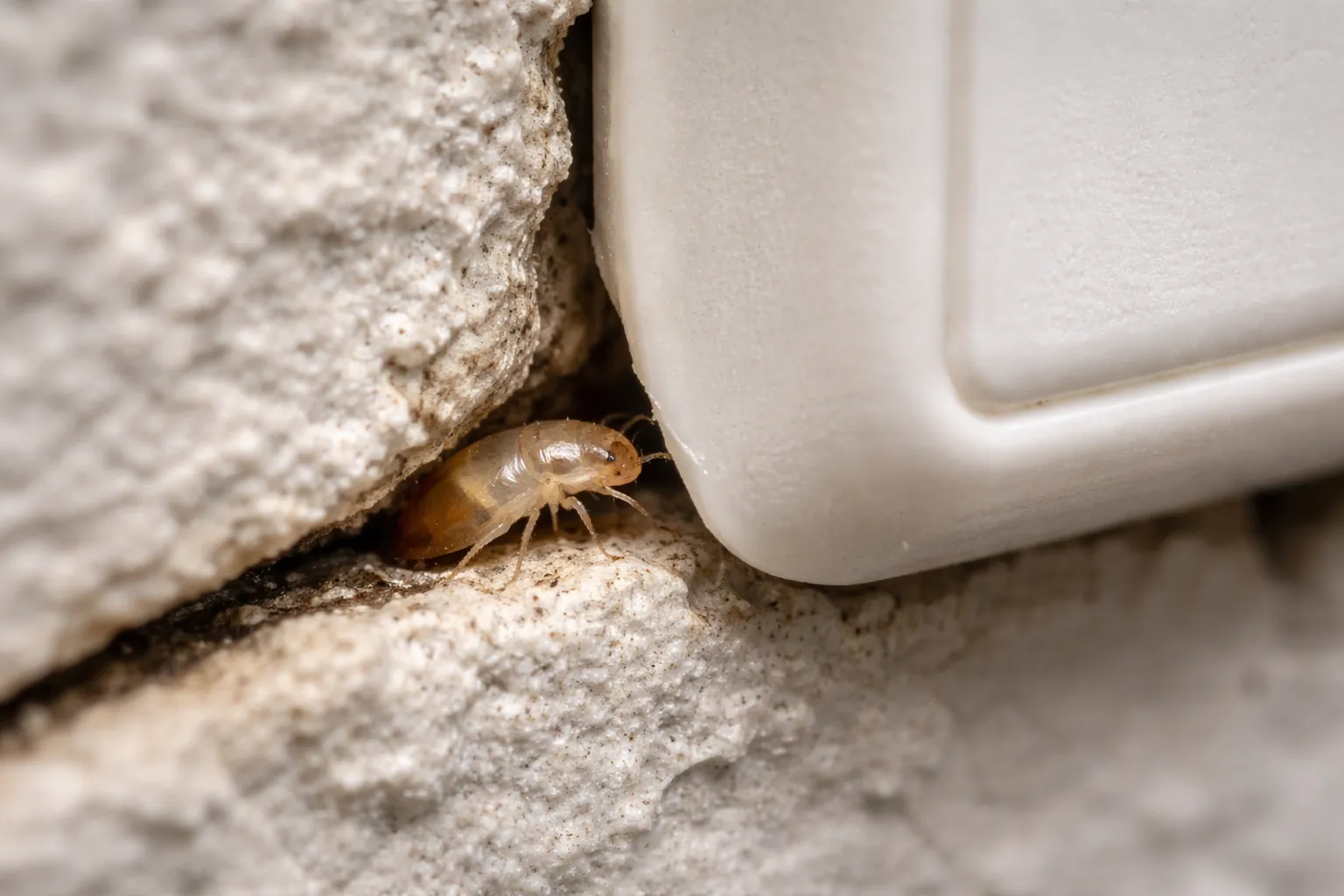
Because baby bed bugs hide so tightly, visual detection is difficult. Early nymphs are translucent and nearly invisible unless they have recently fed. This is why many people ask can you see baby bed bugs and assume they are not present when nothing obvious appears.
Effective inspection means focusing on cracks, seams, and enclosed structures rather than open surfaces. Spotting nymphs often requires bright lighting, magnification, and dismantling parts of the bed.
Understanding baby bed bug stages also helps explain why later instars become easier to detect as they grow darker and larger.
What to Do Next
If you want a complete framework for identifying nymphs, eggs, and adults together, review the full Baby Bed Bugs Identification Guide for step-by-step inspection guidance.
Ready to Confirm What You Found?
Now that you know where baby bed bugs hide and why they cluster near beds, upload photos of insects, shed skins, or mattress seams for professional-level confirmation.
- Are Bed Bugs Ever Black? The Real Color Range + What ‘Black Bed Bugs’ Usually Are
- Bed Bug Color by Stage: Eggs → Nymphs → Adults (Exact Sizes + Colors)
- Before vs After Feeding: Why Bed Bugs Change Color (Tan → Red → Dark)
- Can Bed Bugs Be Green or Orange? Not a Bed Bug — Here’s What It Likely Is
- Tiny Red Bug in Bed? When Bed Bugs Turn Red (Fed Nymphs vs Look-Alikes)
- White or Translucent Bugs on Mattress? Eggs, Nymphs, or Shed Skins Explained