What Do Baby Bed Bugs Get Mistaken For?
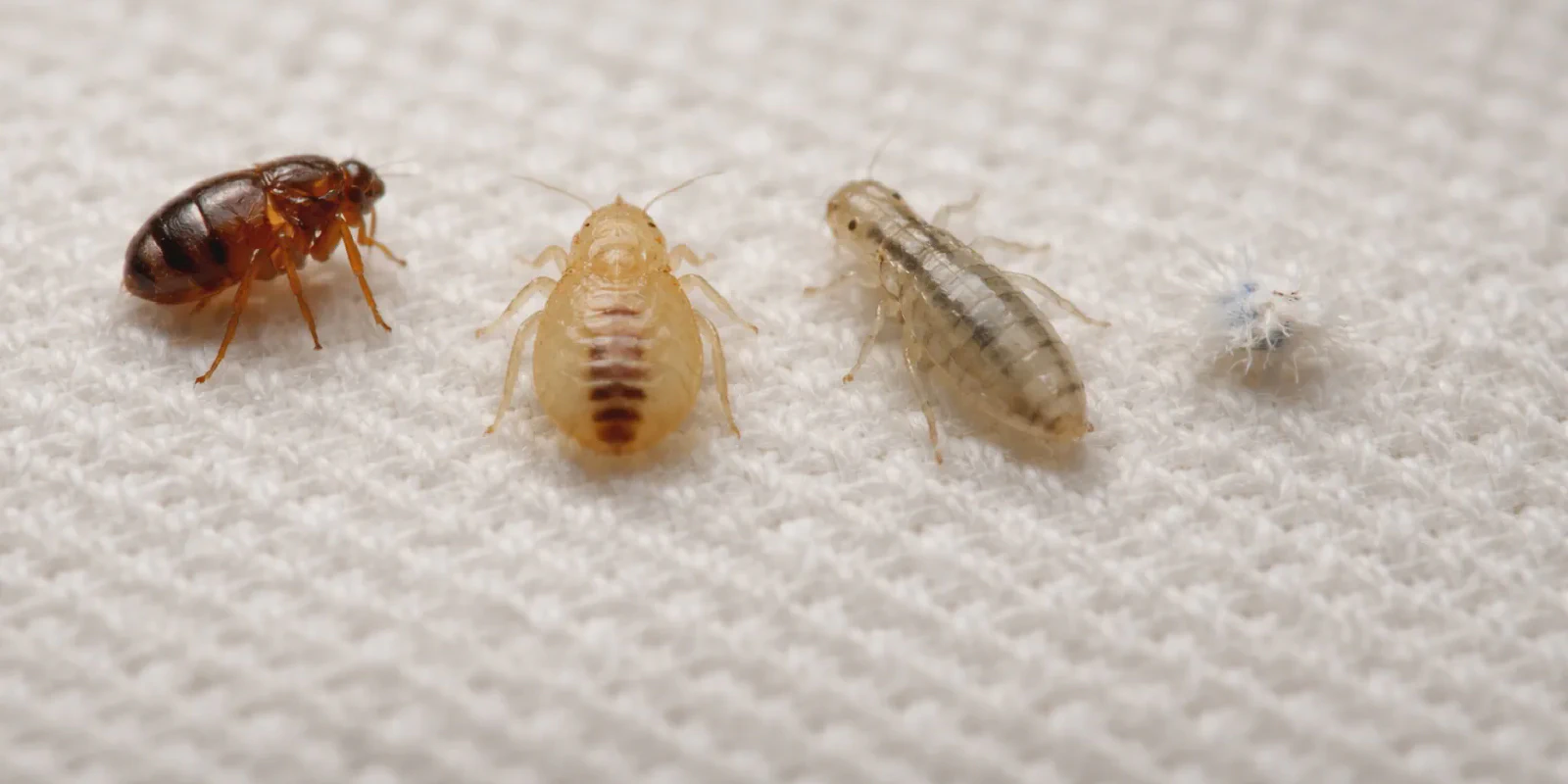
Baby bed bugs are most often mistaken for fleas, lice, mites, carpet beetle larvae, or even simple lint or dust. This confusion happens because newly hatched bed bug nymphs are extremely small, pale, and easy to overlook. Understanding what baby bed bugs get mistaken for helps prevent missed infestations and unnecessary treatments for the wrong pest.
Common Things Baby Bed Bugs Are Mistaken For
Fleas are one of the most frequent comparisons in “baby bed bugs vs fleas” searches. Fleas are darker, laterally flattened, and move by jumping. Baby bed bugs cannot jump and crawl slowly instead. Fleas are usually found on pets or carpets, while bed bug nymphs stay close to sleeping areas.
Lice are another common confusion point in “baby bed bugs vs lice” scenarios. Lice cling tightly to hair shafts and rarely leave the scalp or clothing seams. Baby bed bugs do not live on the body and are typically found in mattress seams, bed frames, or nearby cracks. Their bodies are flatter and more oval than lice.
Mites create confusion in many “baby bed bugs vs mites” cases. Most mites are microscopic and not visible to the naked eye. If you can clearly see the insect crawling, it is unlikely to be a mite. Bed bug nymphs are visible, though very small, and have a defined insect shape with six legs.
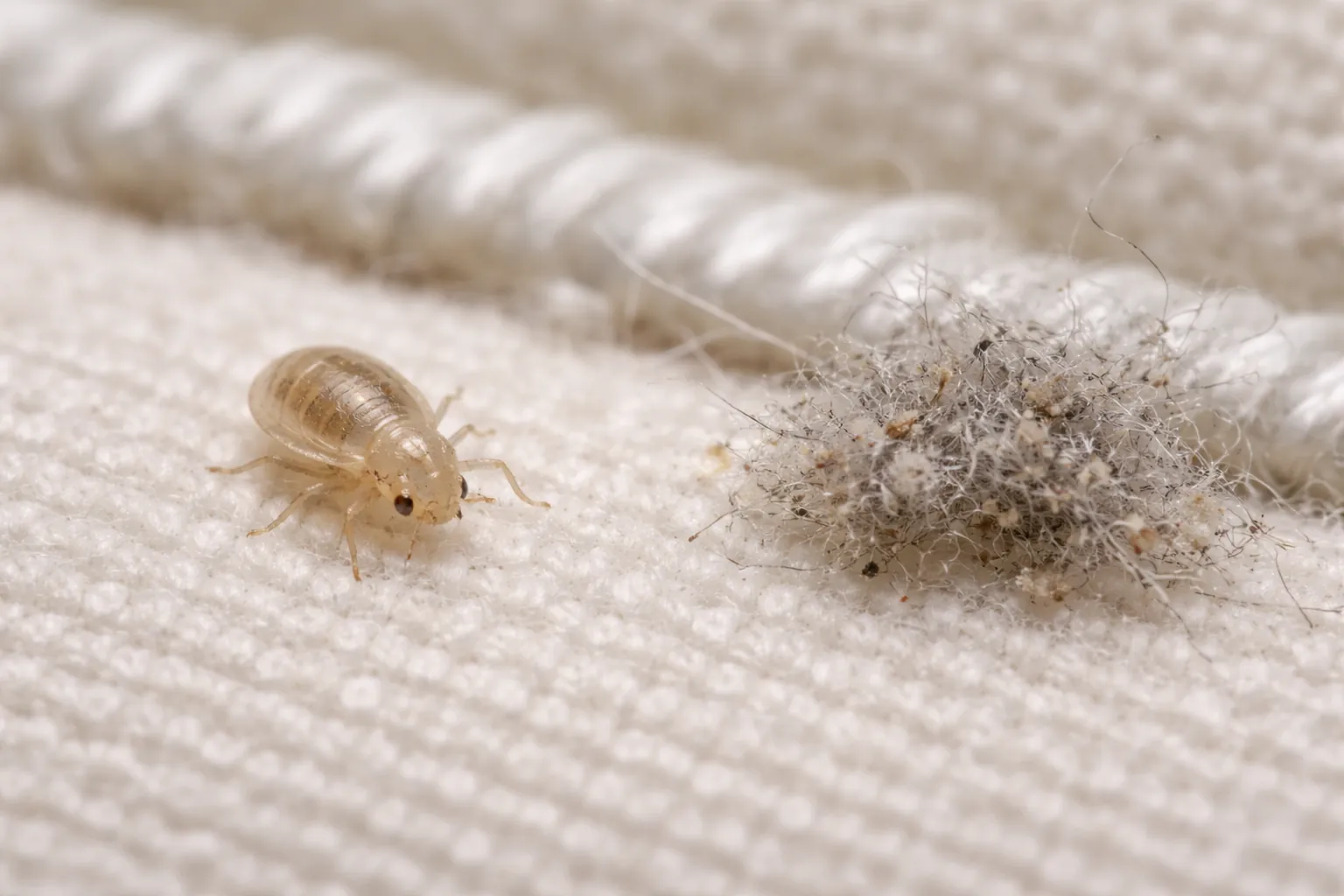
Carpet beetle larvae are often mistaken for baby bed bugs due to their size. However, carpet beetle larvae are fuzzy, segmented, and worm-like, while baby bed bugs have smooth, flat bodies. Carpet beetle larvae also move differently and are usually found near natural fibers rather than beds.
Lint or dust is surprisingly common. Unfed first-stage nymphs are nearly translucent and can look like debris until they move. This is one reason infestations are often overlooked early on.
Have Evidence Photos?
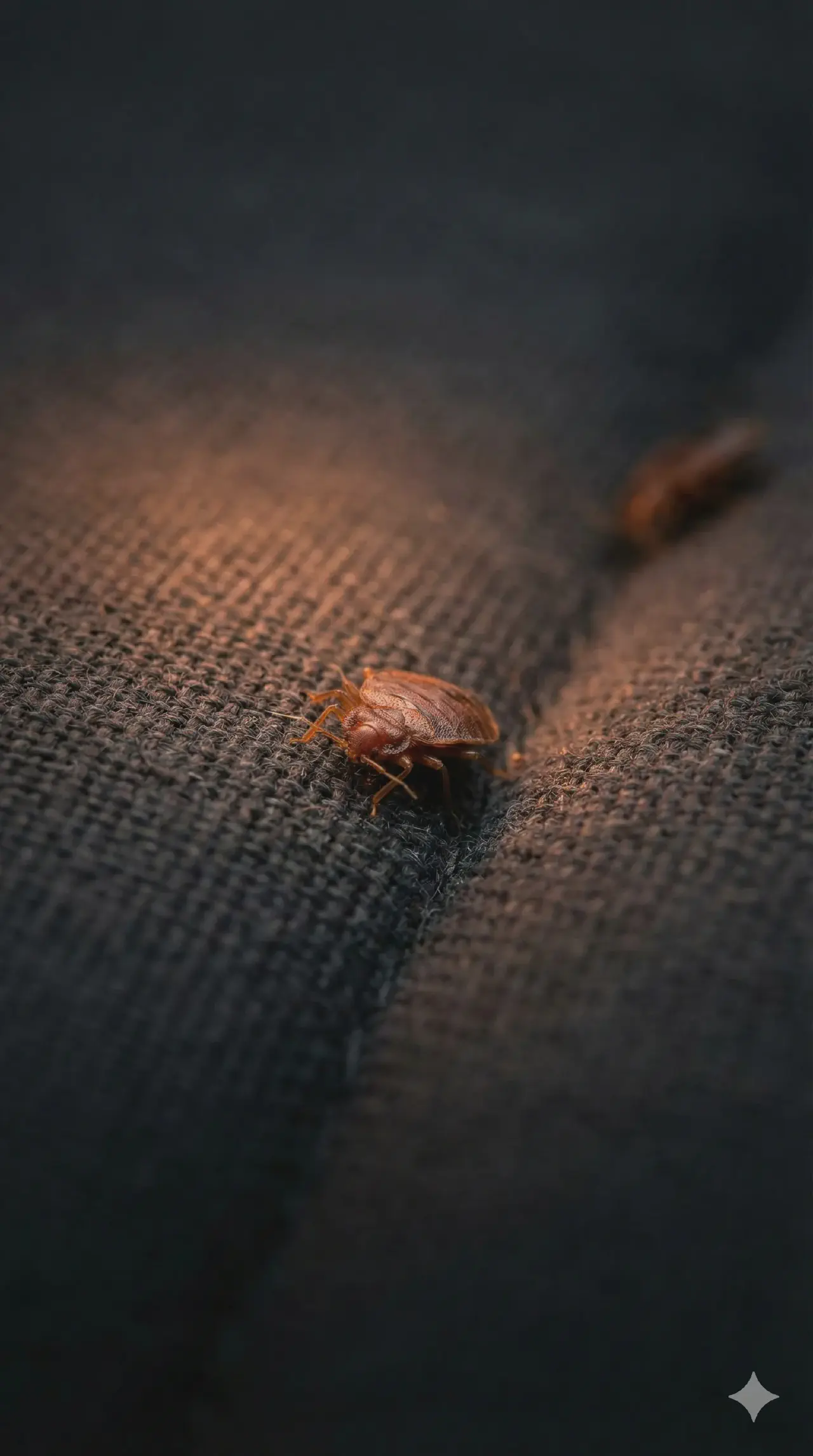
If you’ve found tiny pale insects that crawl slowly and resemble debris or small bugs near your bed, uploading clear photos can quickly confirm whether they match baby bed bug traits.
Why Misidentification Is So Common
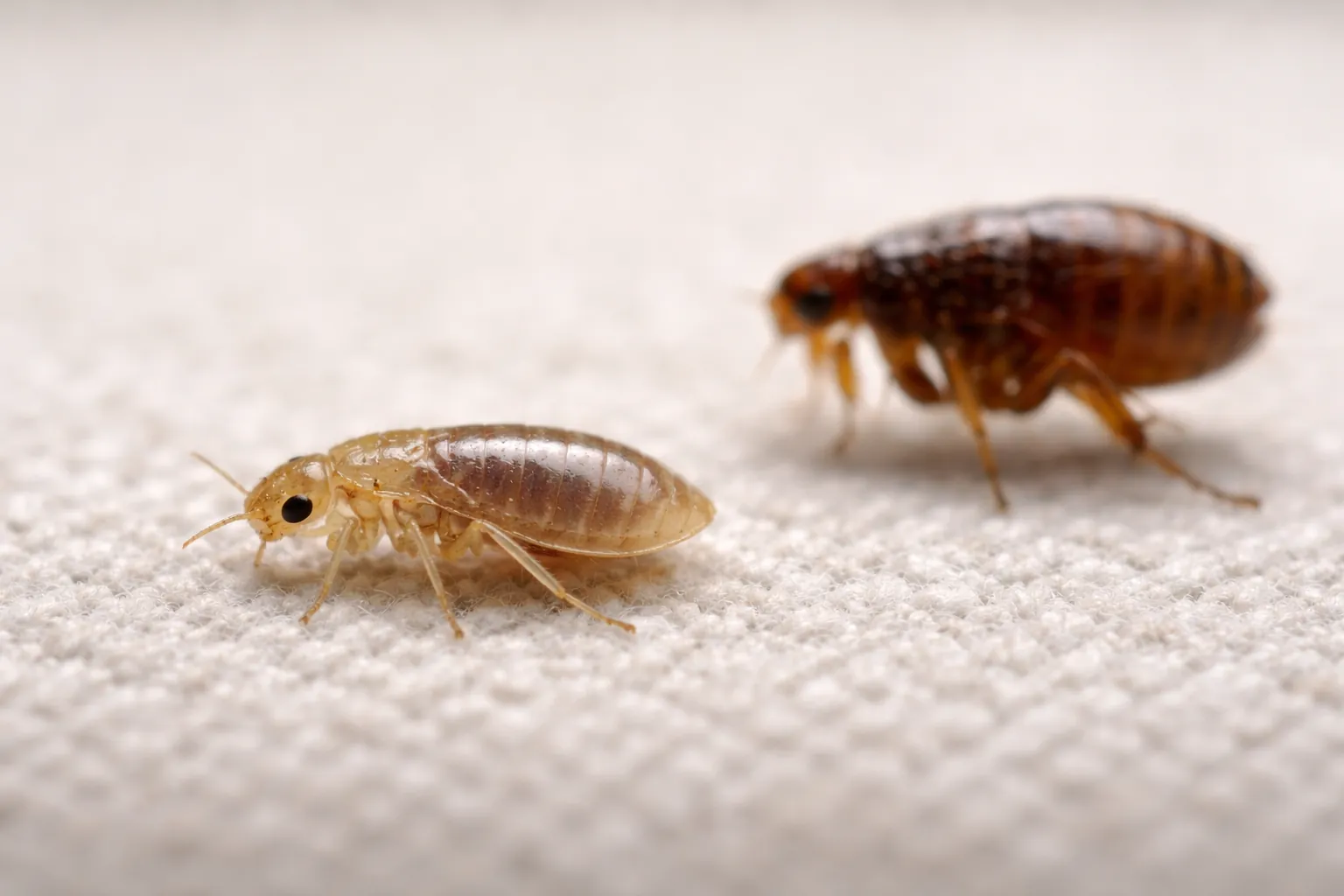
Baby bed bugs change appearance after feeding, swelling and darkening slightly. Before feeding, they are flat, pale, and extremely easy to miss. Their size also varies by instar stage, which adds to the confusion. For detailed visual references, see our guide on how do baby bed bugs look, along with comparisons on what color are baby bed bugs and exact measurements in our baby bed bug size breakdown.
Professionals focus on behavior as much as appearance. Bed bug nymphs hide near sleeping areas, emerge at night, and do not jump or fly. These patterns matter more than color alone.
For a complete overview of identification, including eggs, adults, and hiding behavior, visit the full Baby Bed Bugs Identification Guide.
Ready to Confirm What You’re Seeing?
Now that you know how baby bed bugs differ from fleas, lice, mites, and debris, upload photos of the insects or spots you’ve found to get a clear identification.
What bugs look most like baby bed bugs?
Are mites often confused with baby bed bugs?
Why do baby bed bugs look like lint?
- Are Bed Bugs Ever Black? The Real Color Range + What ‘Black Bed Bugs’ Usually Are
- Bed Bug Color by Stage: Eggs → Nymphs → Adults (Exact Sizes + Colors)
- Before vs After Feeding: Why Bed Bugs Change Color (Tan → Red → Dark)
- Can Bed Bugs Be Green or Orange? Not a Bed Bug — Here’s What It Likely Is
- Tiny Red Bug in Bed? When Bed Bugs Turn Red (Fed Nymphs vs Look-Alikes)
- White or Translucent Bugs on Mattress? Eggs, Nymphs, or Shed Skins Explained