What Color Are Baby Bed Bugs: Expert Identification Guide
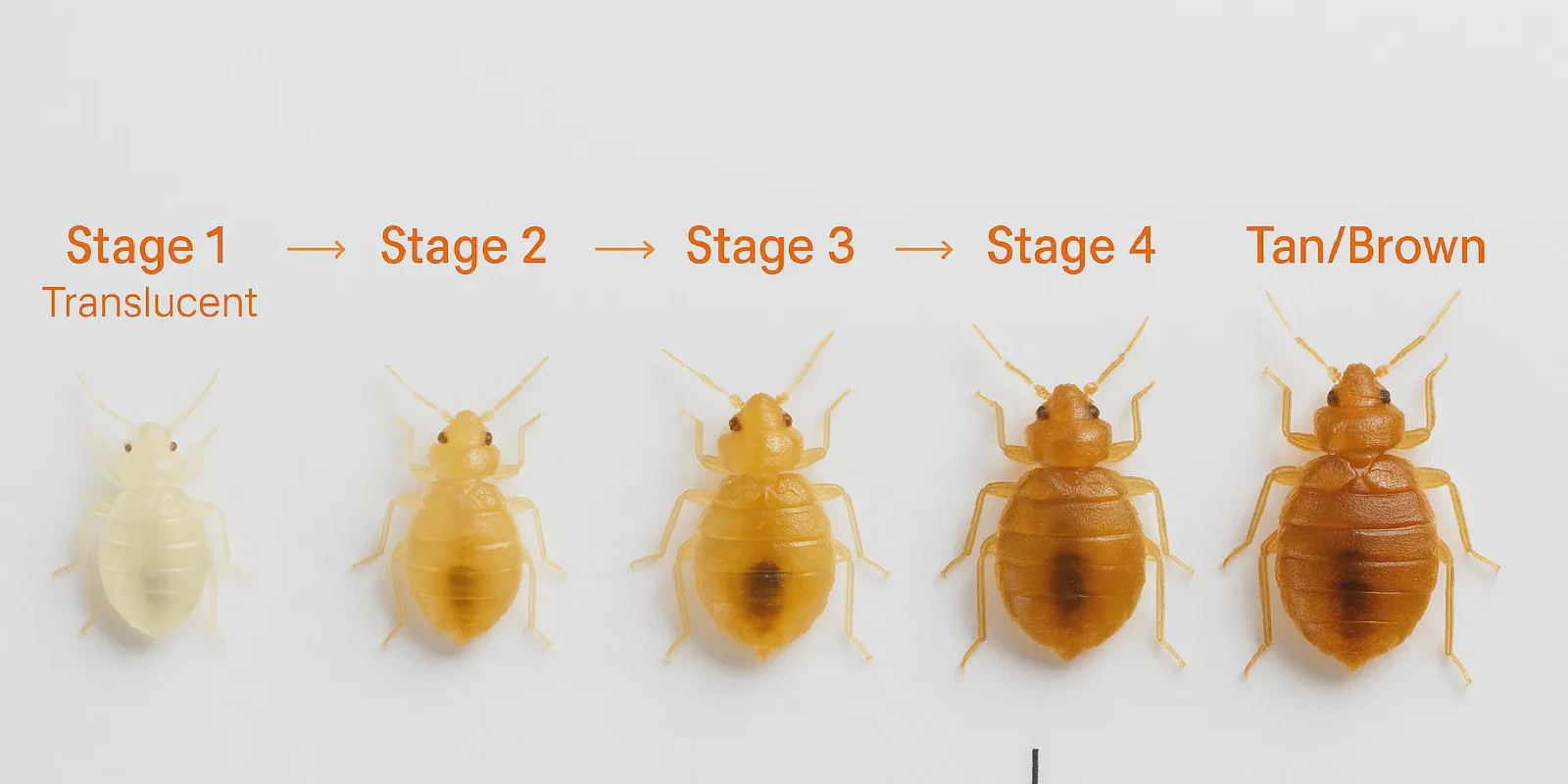
Baby bed bugs are translucent white to very light yellow when they first hatch, appearing almost see-through like tiny grains of rice. This coloration is critical for accurate identification because many people expect all bed bugs to be the familiar reddish-brown color of adults. Understanding this color variation helps you recognize early-stage infestations when treatment is most effective. For complete identification and professional-grade analysis of your specific situation, our free AI tool provides instant expert-level answers.
Is It a Pale Baby Bed Bug?
Upload a photo for instant color-verified ID.
Understanding Baby Bed Bug Color Changes
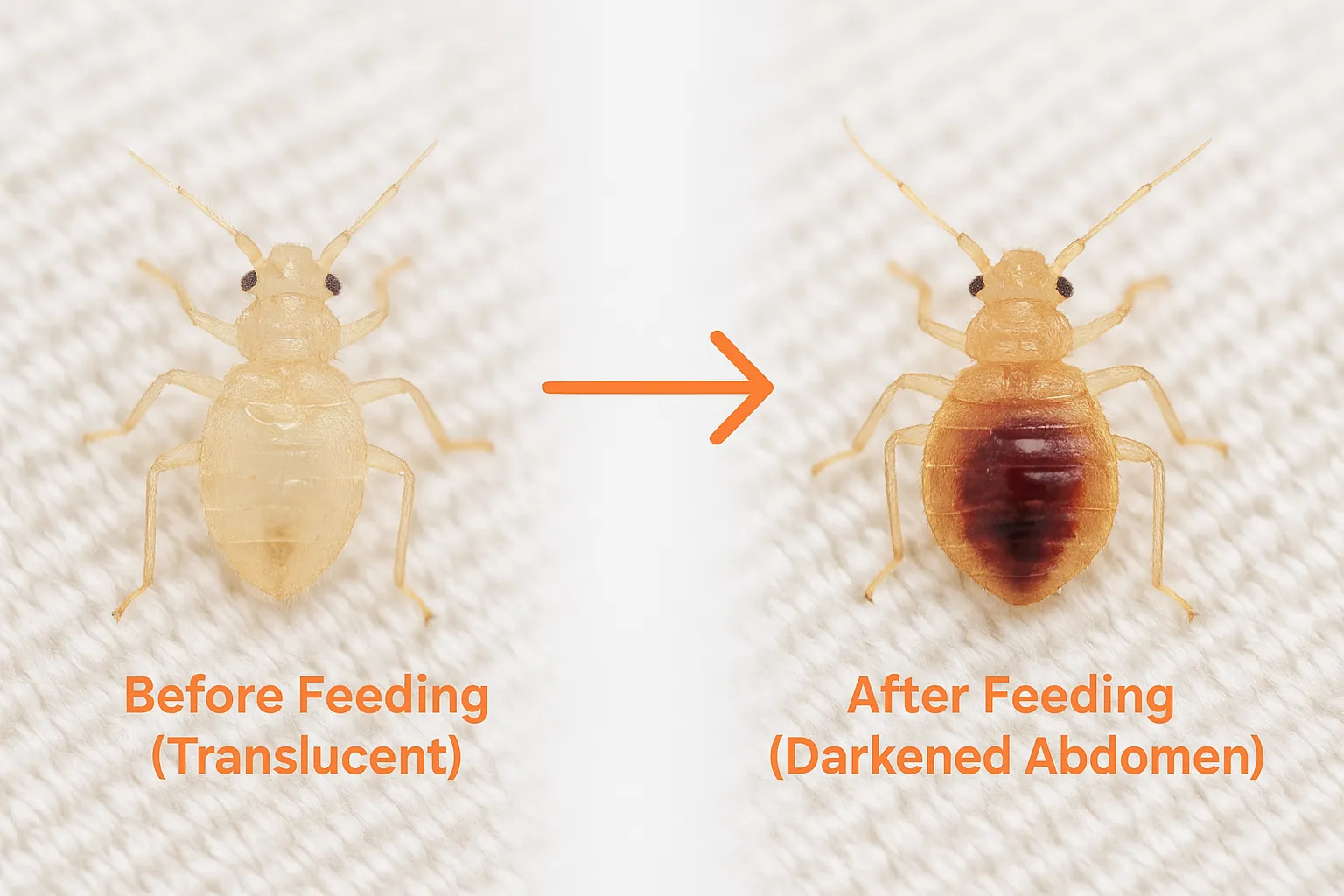
Newly hatched bed bug nymphs (babies) are virtually colorless, measuring only 1-2mm in length. Their translucent white appearance makes them incredibly difficult to spot against light-colored surfaces like mattress seams, pillowcases, or painted walls. As these nymphs begin feeding on blood, their color gradually changes to light tan, then progressively darker shades of brown.
The color transformation follows a predictable pattern through their five developmental stages. First-stage nymphs remain nearly clear even after feeding, with only a small dark spot visible in their abdomen where blood is digested. Second and third-stage nymphs develop a more noticeable tan coloration, while fourth and fifth-stage nymphs approach the darker brown color of adults. This graduated color change is why size and color together provide the most reliable identification markers. To better understand what baby bed bugs actually look like at each stage, see our full visual guide on baby bed bug appearance with real comparison photos and expert tips.
Many homeowners miss early infestations because they’re looking for the wrong color. Baby bed bugs don’t have the distinctive reddish-brown appearance that makes adult bed bugs recognizable. Instead, their pale, almost ghostly appearance allows them to blend seamlessly into light backgrounds, making visual detection extremely challenging without magnification.
What Color Stage Is It?
Send a photo — get the exact nymph stage.
Why Color Identification Matters
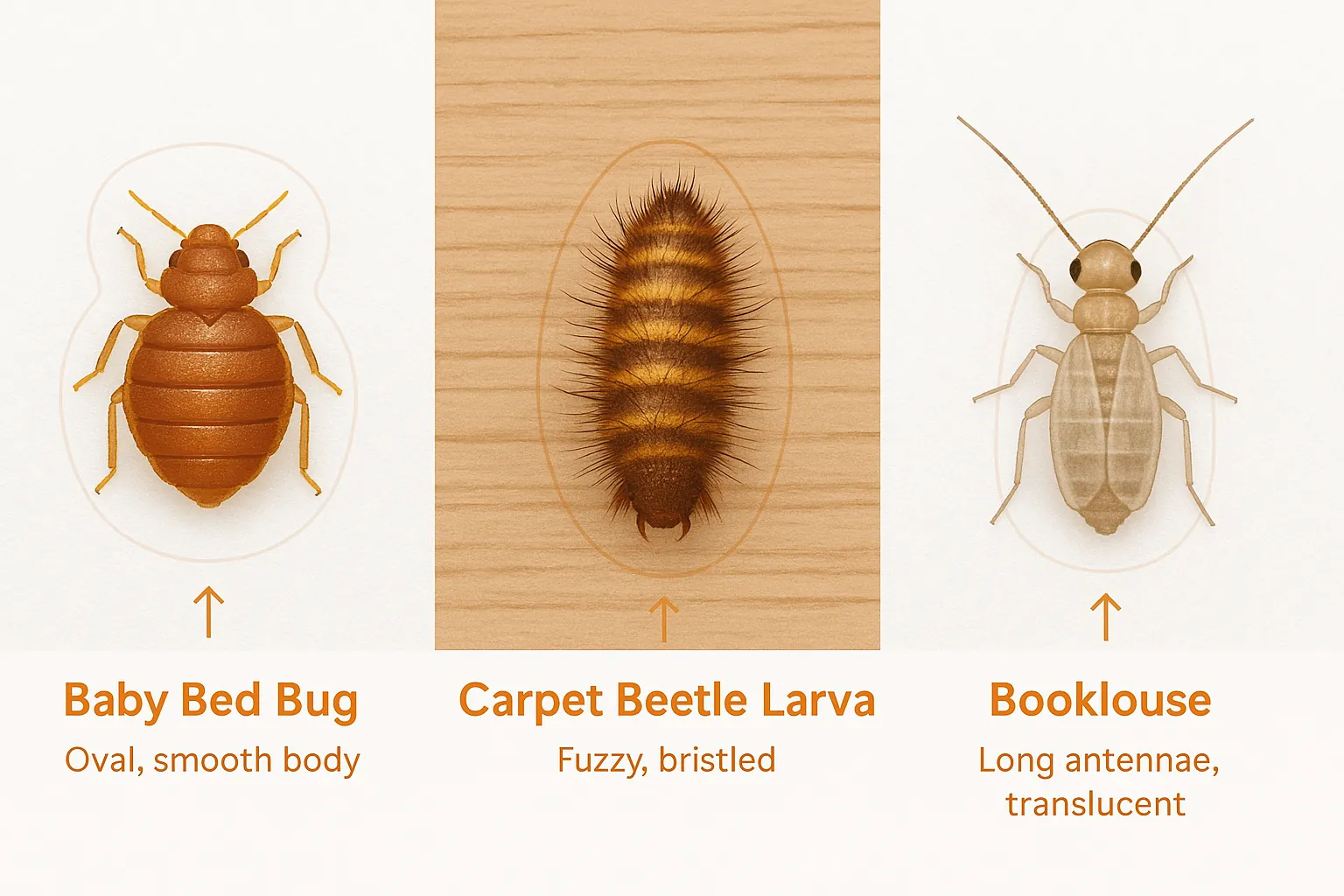
Recognizing baby bed bug coloration is crucial because it often indicates an active, reproducing infestation. The presence of multiple life stages suggests bugs have been breeding for several weeks. Additionally, pale nymphs are often confused with other common household pests like carpet beetle larvae or booklice, leading to delayed treatment.
Color changes also indicate feeding activity. Nymphs must feed between each molt, so their darker coloration after meals confirms active blood-feeding behavior. This timing information helps pest control professionals assess infestation severity and treatment urgency.
For a complete guide to baby bed bug size, photos, and early infestation clues, see our detailed Baby Bed Bugs Identification Guide.
Confirm Before You Treat
Avoid guesswork — get a verified ID first.
Are baby bed bugs always white?
Why can't I see baby bed bugs easily?
How do baby bed bugs change color as they grow?
What size are baby bed bugs compared to adults?
Can I tell the difference between baby bed bugs and other small white bugs?
Want to know how baby bed bug color changes relate to their size and growth? See our complete guide on Baby Bed Bug Size for exact stage measurements, visual comparisons, and expert identification help.
- Are Bed Bugs Ever Black? The Real Color Range + What ‘Black Bed Bugs’ Usually Are
- Bed Bug Color by Stage: Eggs → Nymphs → Adults (Exact Sizes + Colors)
- Before vs After Feeding: Why Bed Bugs Change Color (Tan → Red → Dark)
- Can Bed Bugs Be Green or Orange? Not a Bed Bug — Here’s What It Likely Is
- Tiny Red Bug in Bed? When Bed Bugs Turn Red (Fed Nymphs vs Look-Alikes)
- White or Translucent Bugs on Mattress? Eggs, Nymphs, or Shed Skins Explained