Early Signs of Baby Bed Bugs
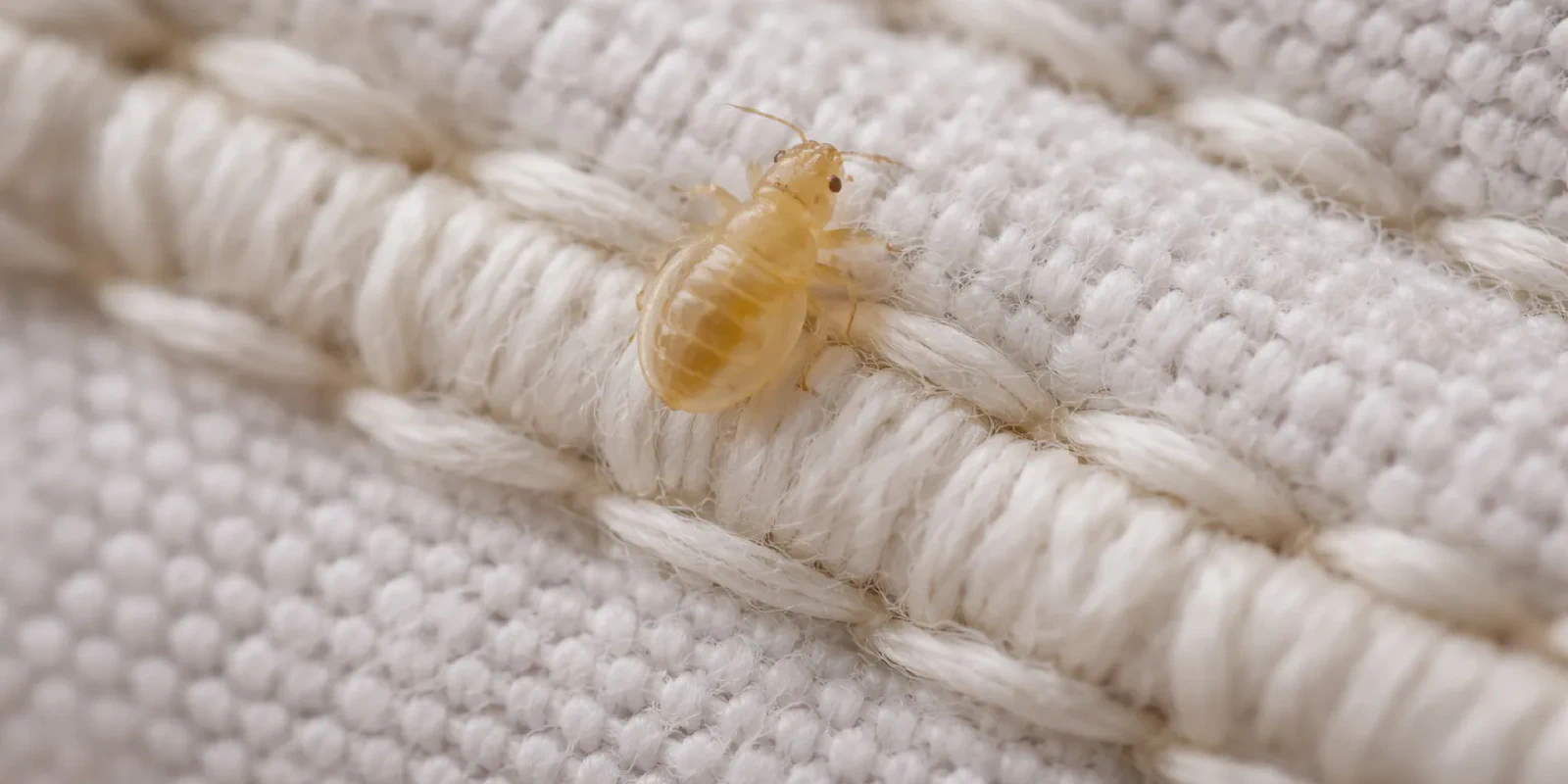
The early signs of baby bed bugs are usually subtle, indirect, and easy to dismiss, which is why most infestations are not discovered until adults appear. In the earliest phase, infestations are driven by newly hatched bed bug nymphs that are small, translucent, and highly skilled at staying hidden. Recognizing these early clues can make the difference between a contained problem and a full infestation.
Understanding how bed bug nymphs behave, feed, and hide allows you to spot warning signs weeks before adult bed bugs become obvious.
Visual Signs Most People Overlook
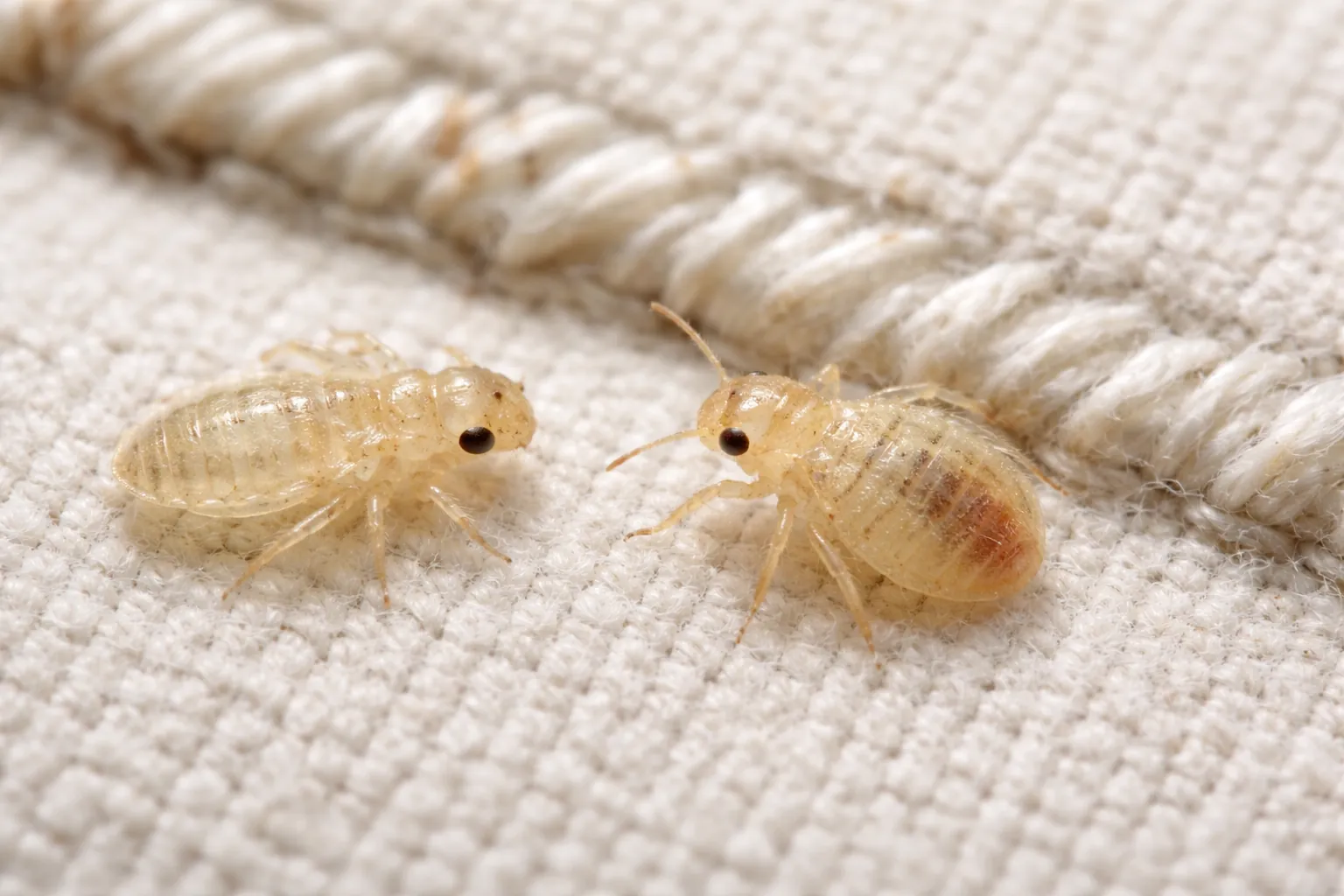
Baby bed bugs are technically visible, but they are extremely easy to miss. Newly hatched nymphs are about the size of a poppy seed and nearly transparent before feeding. After a blood meal, they appear slightly darker and more noticeable for a short time.
Early visual signs include:
- Tiny pale or yellowish insects near mattress seams or bed frames
- Very small shed skins from early nymph stages
- Minute blood smears caused by crushed nymphs after feeding
Many people assume these signs are lint or dust. If you are unsure what visibility looks like at each stage, see our detailed explanation of can you see baby bed bugs.
Early Bite Patterns and Skin Reactions
In early infestations, bites often appear inconsistent and are commonly misattributed to allergies or mosquitoes. Baby bed bugs feed more frequently than adults because they must molt between stages.
Common early bite clues include:
- Small red welts that appear overnight
- Bites in loose clusters rather than neat lines
- Mild itching that worsens over time
Not everyone reacts to nymph bites, which further delays detection. A lack of bites does not rule out early bed bug activity.
Indirect Clues Inside the Home
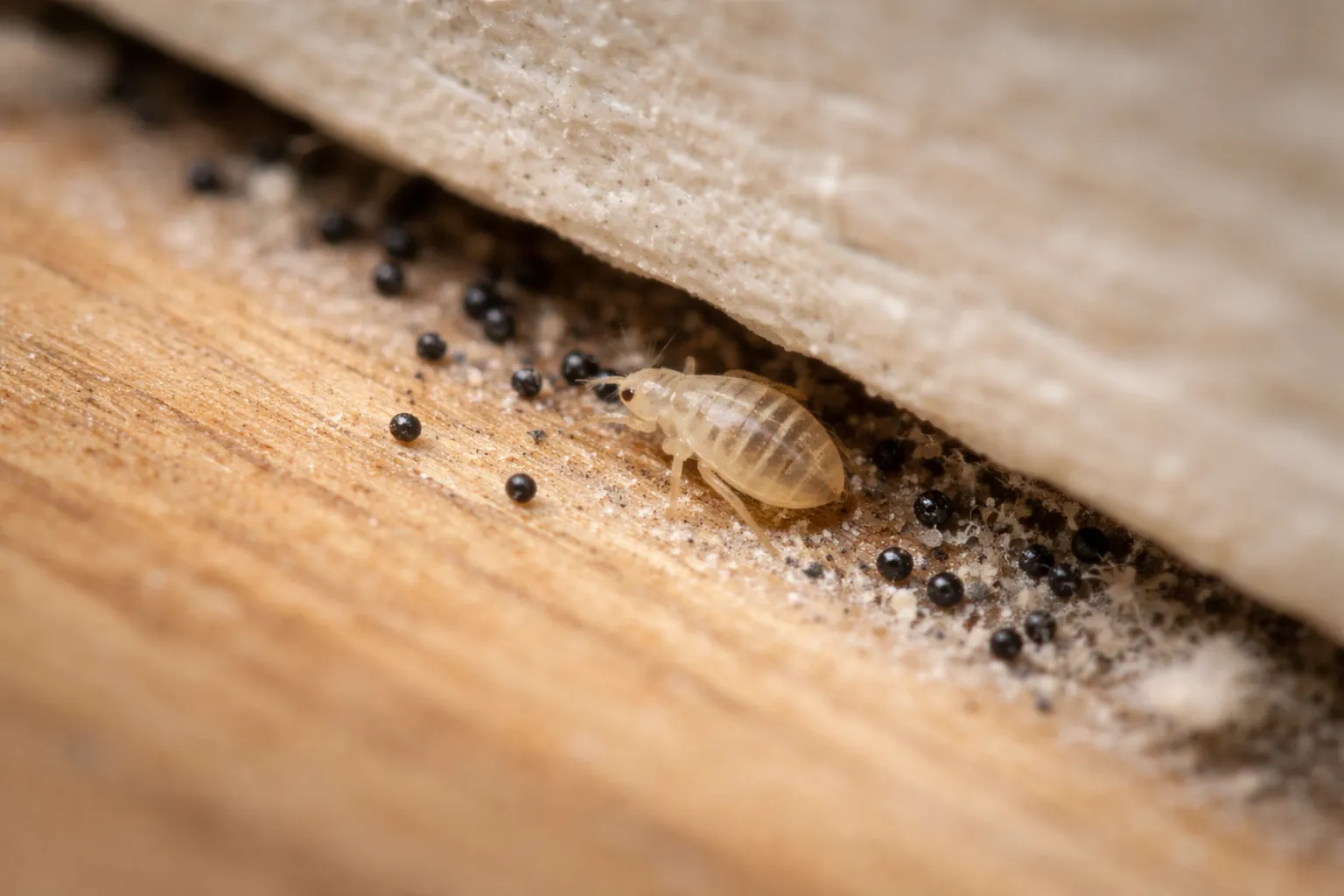
Early bed bug infestations rarely produce large visible groups. Instead, nymphs remain clustered near eggs and adults in protected areas.
Indirect signs include:
- Tiny dark fecal dots along seams or cracks
- Increased activity near sleeping areas, not throughout the room
- Evidence concentrated in tight spaces rather than open surfaces
These patterns are closely tied to where young bed bugs prefer to remain hidden. For location-specific details, review our guide on where baby bed bugs hide.
Have Evidence Photos?
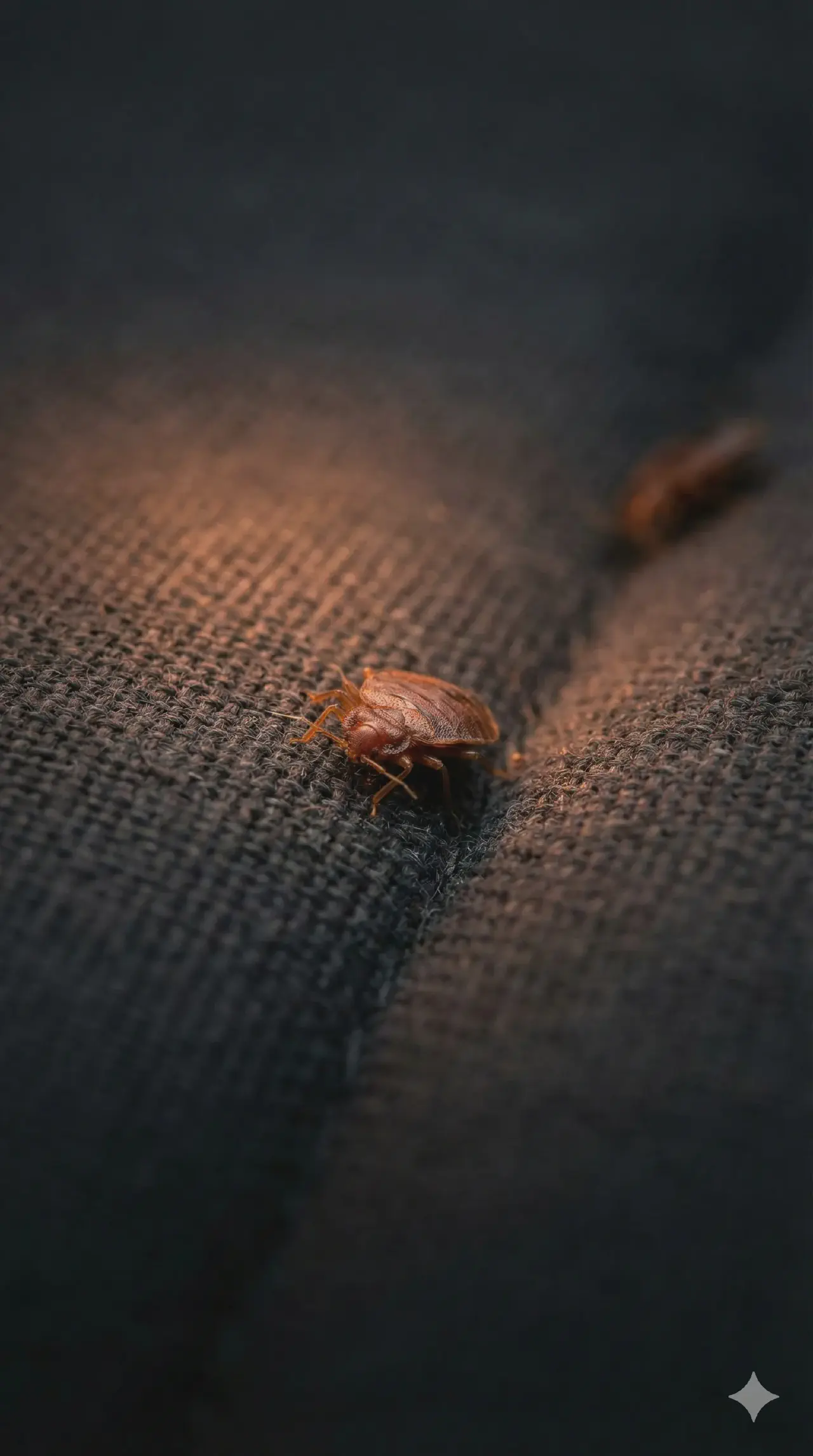
Found tiny pale bugs, shed skins, or small blood smears near mattress seams or bed frames? Upload clear photos to confirm whether these early signs match baby bed bug activity.
Why Early Infestations Are Commonly Missed
Early signs of bed bug nymphs are missed because people expect to see adult bugs. Nymphs move less, hide deeper, and blend into their surroundings. Their evidence is minimal and often mistaken for normal household debris.
Additionally, early infestations are localized. Without knowing the progression of baby bed bug stages, many people underestimate how quickly these early signs escalate.
What to Do If You Suspect Early Signs
If you believe you are seeing early bed bug infestation signs, avoid moving items between rooms, inspect sleeping areas carefully, and document any evidence. Early confirmation allows treatment before the population spreads.
For a complete identification framework covering all nymph stages, visual traits, and hiding behavior, see the full Baby Bed Bugs Identification Guide.
Ready to Confirm What You’re Seeing?
With a clear understanding of early visual clues, bite patterns, and indirect signs, you can now verify whether the evidence you’ve found points to baby bed bugs.
- Are Bed Bugs Ever Black? The Real Color Range + What ‘Black Bed Bugs’ Usually Are
- Bed Bug Color by Stage: Eggs → Nymphs → Adults (Exact Sizes + Colors)
- Before vs After Feeding: Why Bed Bugs Change Color (Tan → Red → Dark)
- Can Bed Bugs Be Green or Orange? Not a Bed Bug — Here’s What It Likely Is
- Tiny Red Bug in Bed? When Bed Bugs Turn Red (Fed Nymphs vs Look-Alikes)
- White or Translucent Bugs on Mattress? Eggs, Nymphs, or Shed Skins Explained