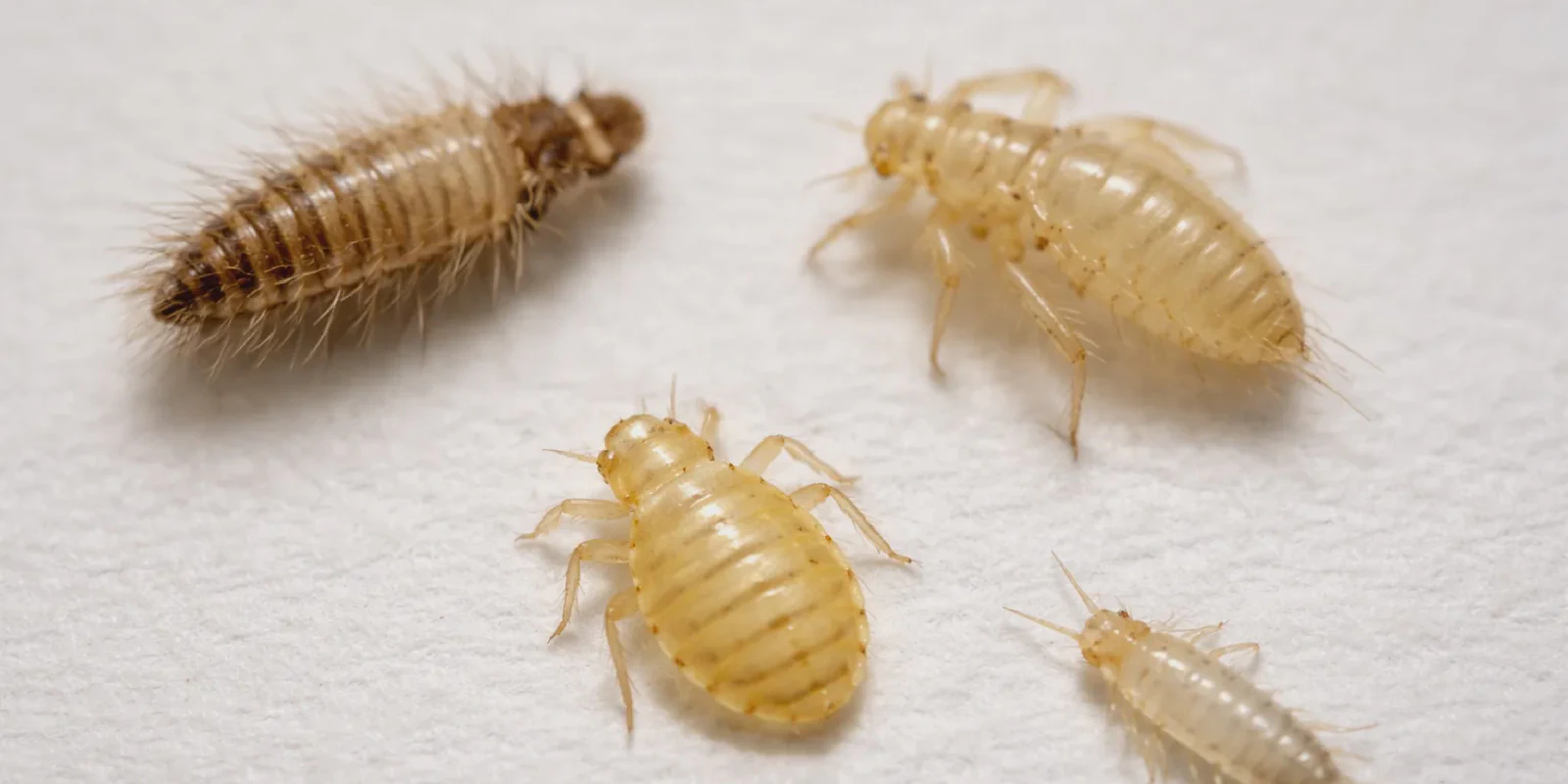
Bed Bug Shells vs Other Insects
Bed bug shells vs other insects can be confusing because many household pests shed skins that look similar at first glance. The key difference is that bed bug shells are thin, translucent exoskeletons shaped exactly like a flattened oval bug, while other insect shells usually differ in shape, thickness, or location. Knowing these differences prevents false alarms and helps you respond correctly.
People commonly ask this question after finding tiny brown or clear flakes in beds, carpets, or along baseboards. Because bed bugs molt five times as they grow, shells often appear before live bugs are ever seen. Other insects shed too, but their skins leave different clues.
What Bed Bug Shells Look Like
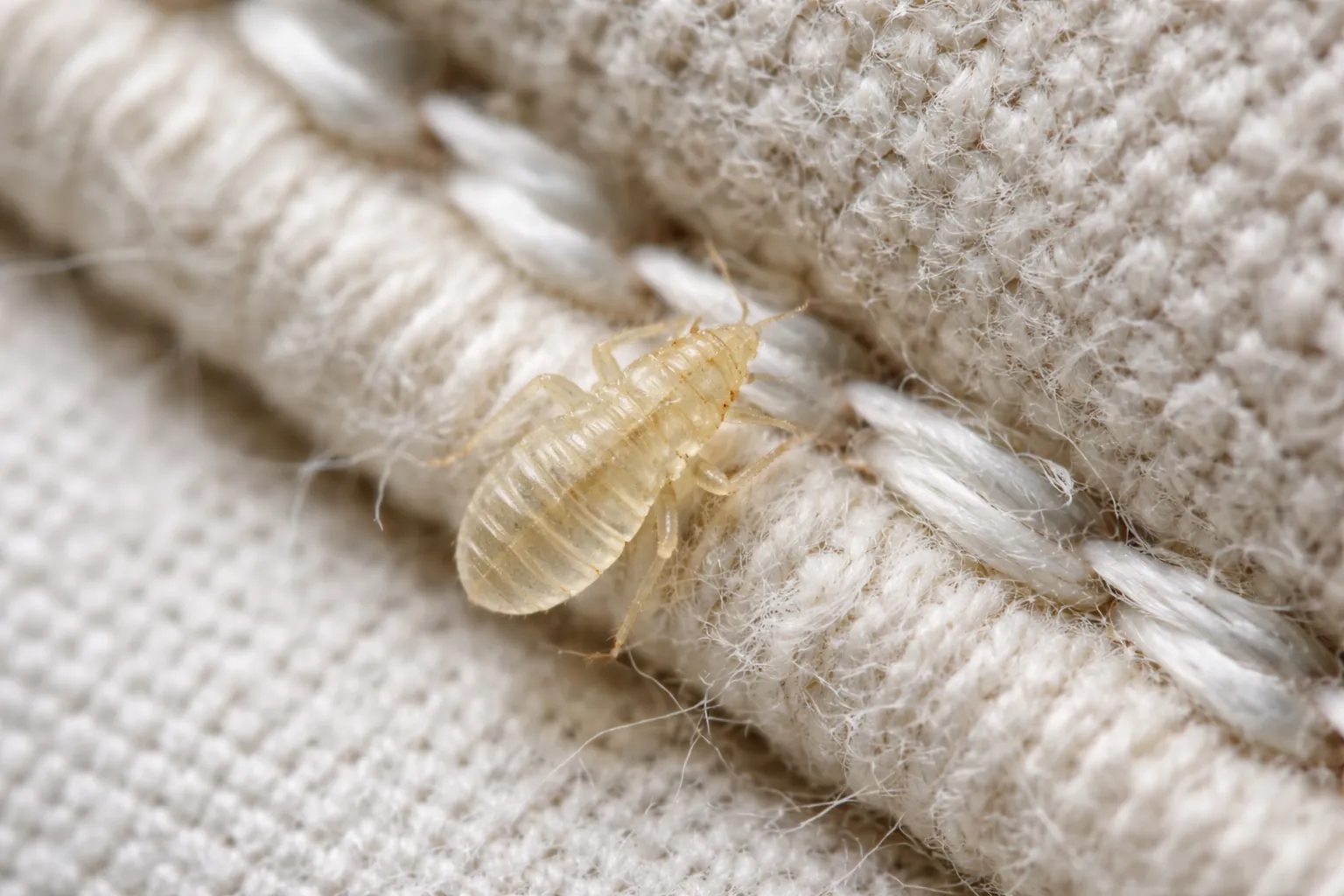
Bed bug shells are the cast exoskeletons left behind after a nymph molts. They are:
- Pale yellow to light brown
- Hollow and papery, not solid
- Clearly bug-shaped, with legs, antennae, and a flat oval body
- Usually 1–4.5 mm depending on the growth stage
They are most often found in sleeping areas, mattress seams, bed frames, and nearby cracks. If you are unsure whether debris matches this description, our main bed bug shells identification guide explains the visual traits in more depth.
Bed Bug Shells vs Carpet Beetle Shells
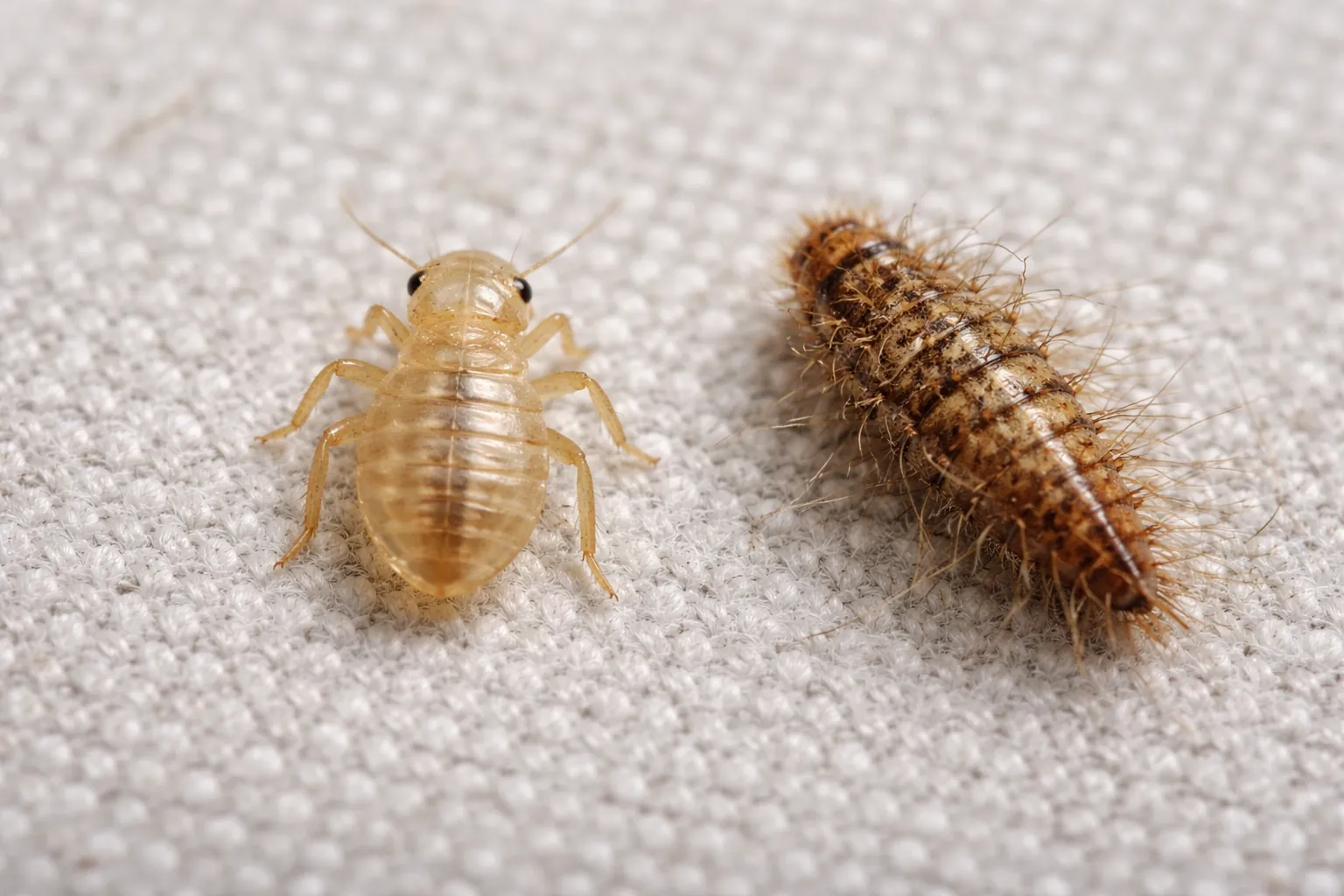
Carpet beetle larvae shed skins that are often mistaken for bed bug shells. The differences are clear once you know what to look for:
- Carpet beetle shells are fuzzy or hairy
- They are tapered or worm-like, not flat and oval
- They are often found in closets, carpets, or stored fabrics rather than beds
If you are comparing debris like this, our guide on bed bug shells vs dirt and lint can help rule out common false positives.
Bed Bug Shells vs Roach Skins
Cockroaches also molt, but their shed skins are larger and thicker:
- Roach skins are rigid and often dark tan
- They have a long body with a distinct head shield
- They are usually found near kitchens, bathrooms, or appliances
Finding shells on a mattress or sheets is far more consistent with bed bugs than roaches. If that is where you discovered them, see our breakdown of bed bug shells on a mattress.
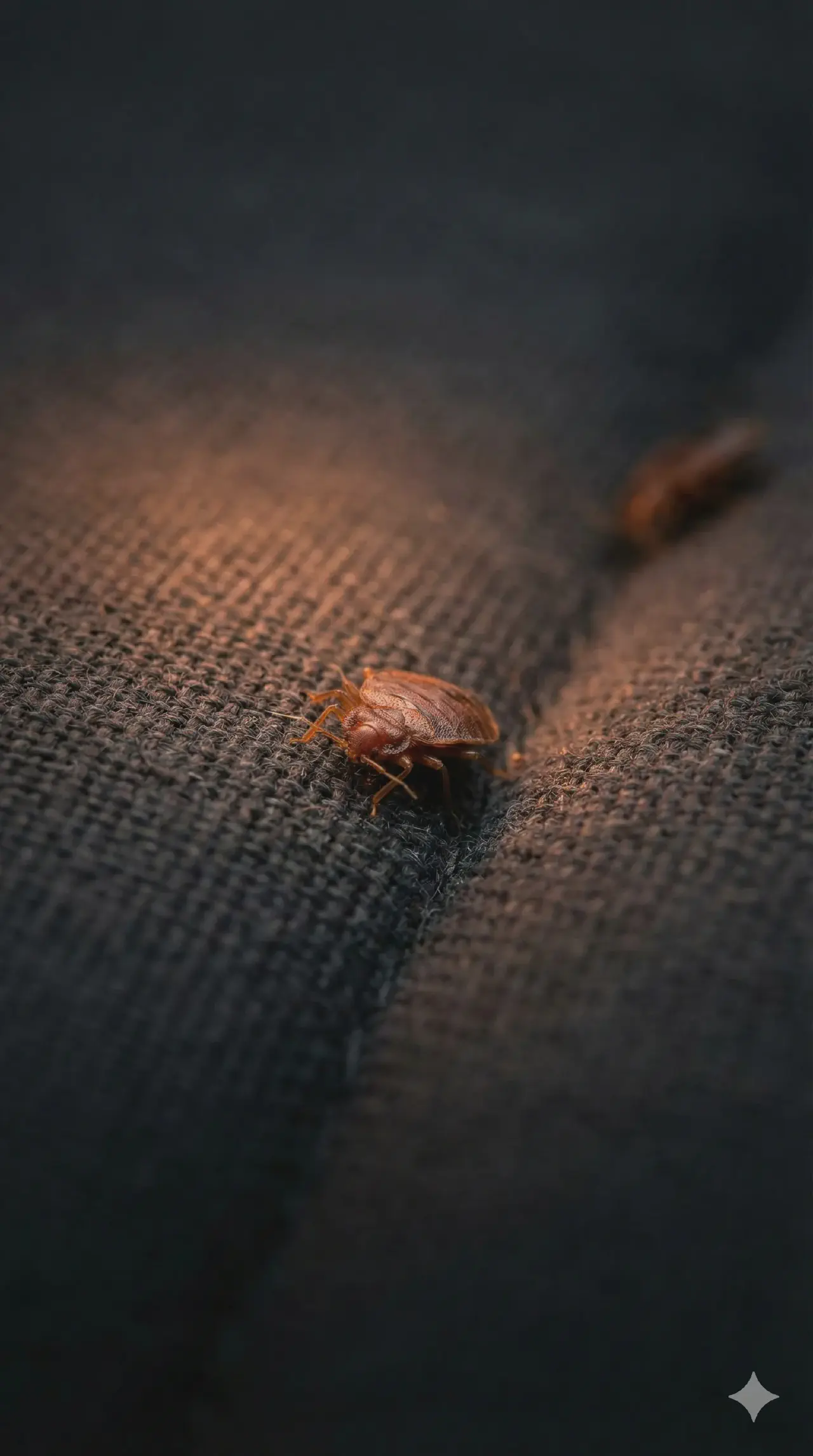
Found Shed Skins or Shells?
If the shells you found match these flat, translucent shapes—or you are comparing them to beetle or roach skins—upload clear photos to confirm what insect they came from before assuming bed bugs.
Other Insects Commonly Mistaken for Bed Bug Shells
Silverfish, ants, and termites may leave fragments behind, but these usually lack the distinct bug outline seen in bed bug shells. Many people also mistake dried skin flakes or plant debris for shells. This confusion often leads to unnecessary treatments when no infestation exists.
If you have shells but cannot find live insects, that does not mean you are safe. Learn why this happens in our article on finding bed bug shells but no bugs.
What to Do Next
Correct identification is critical before taking action. Bed bug shells signal ongoing or recent activity, while other insect shells require different responses.
Ready to Be Certain?
Now that you know how bed bug shells differ from carpet beetles, roaches, and other insects, upload photos of what you found to get a clear answer.
- Are Bed Bugs Ever Black? The Real Color Range + What ‘Black Bed Bugs’ Usually Are
- Bed Bug Color by Stage: Eggs → Nymphs → Adults (Exact Sizes + Colors)
- Before vs After Feeding: Why Bed Bugs Change Color (Tan → Red → Dark)
- Can Bed Bugs Be Green or Orange? Not a Bed Bug — Here’s What It Likely Is
- Tiny Red Bug in Bed? When Bed Bugs Turn Red (Fed Nymphs vs Look-Alikes)
- White or Translucent Bugs on Mattress? Eggs, Nymphs, or Shed Skins Explained