Bed Bug Shells in House
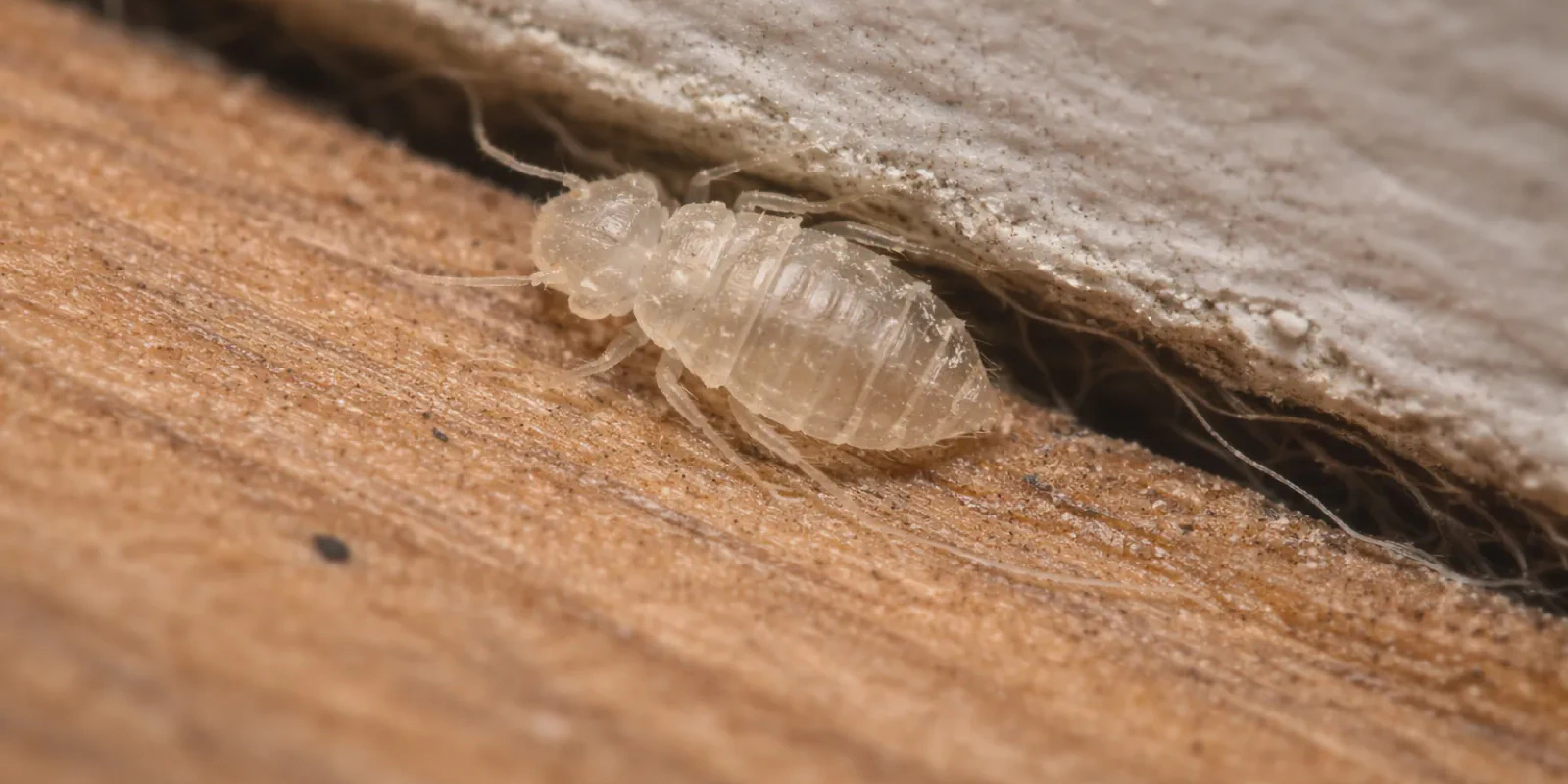
Finding bed bug shells in your house means bed bugs were present long enough to grow and molt, either recently or in the past. Shells are shed exoskeletons left behind as bed bugs progress through their life stages, and they often appear before live bugs are noticed. Knowing where these shells show up helps determine how widespread the activity may be and where to inspect next.
Common places bed bug shells appear in a home
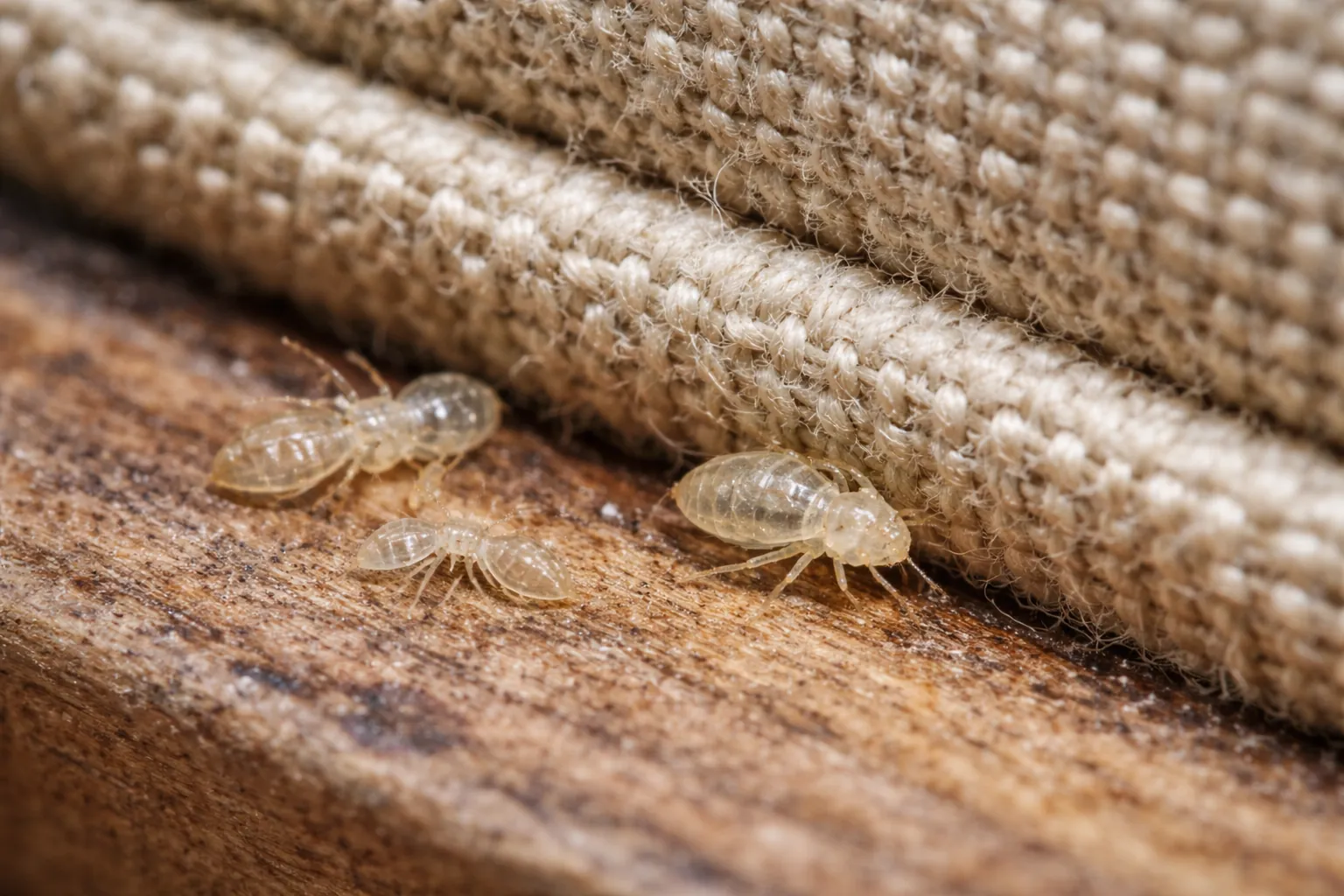
Bed bug shells are almost always found close to where bugs hide and feed. The most frequent locations include:
- Bedrooms: Mattress seams, box springs, bed frames, headboards, and nearby nightstands. If you are seeing bed bug shells in the bedroom, it often indicates ongoing activity close to sleeping areas.
- Couches and upholstered furniture: Seat seams, under cushions, and along the frame. Finding bed bug shells in a couch is common in living rooms where people nap or spend long periods sitting.
- Baseboards and wall edges: Cracks, gaps, and corners where walls meet the floor. Bed bug shells in baseboards suggest movement between rooms or expanded hiding areas.
- Closets and storage areas: Especially near bedrooms, where bugs spread as populations grow.
Shells are light brown to translucent, papery, and shaped like a flattened bug. Unlike dirt or lint, they retain legs, antennae, and a segmented body.
What finding shells around the house means
Shells indicate that bed bugs have fed and grown. Multiple shells in different rooms often point to a spreading infestation rather than a single isolated bug. A few shells in one area could also be leftover evidence from a past infestation, which is why context matters. If you are unsure whether what you found is actually a shell or debris, comparing it carefully matters more than counting how many you see.
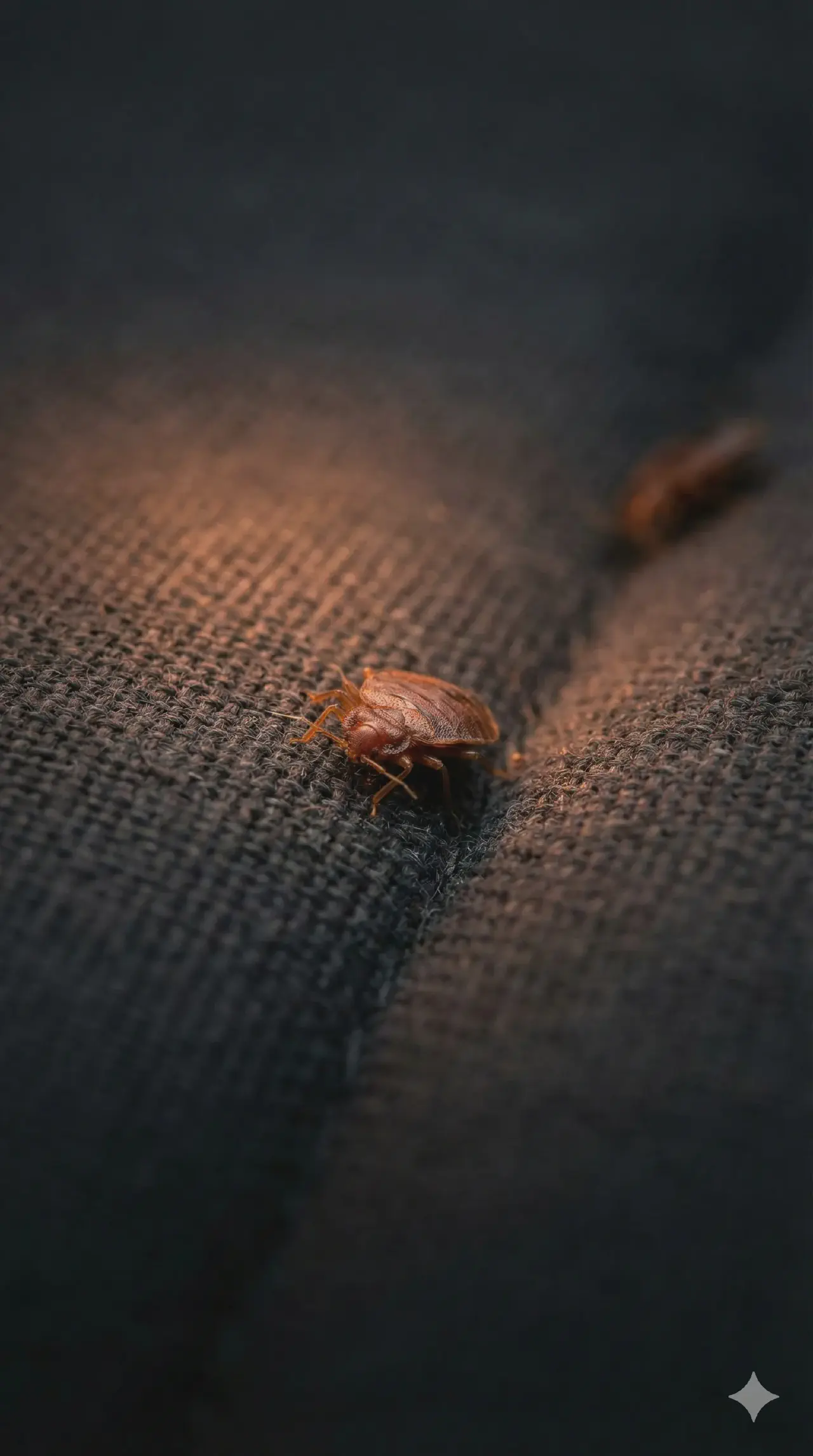
Have Evidence Photos?
If you’ve found thin, hollow shells near beds, couches, or baseboards that match these descriptions, uploading clear photos can quickly confirm whether they are bed bug exoskeletons.
How to check the rest of your house
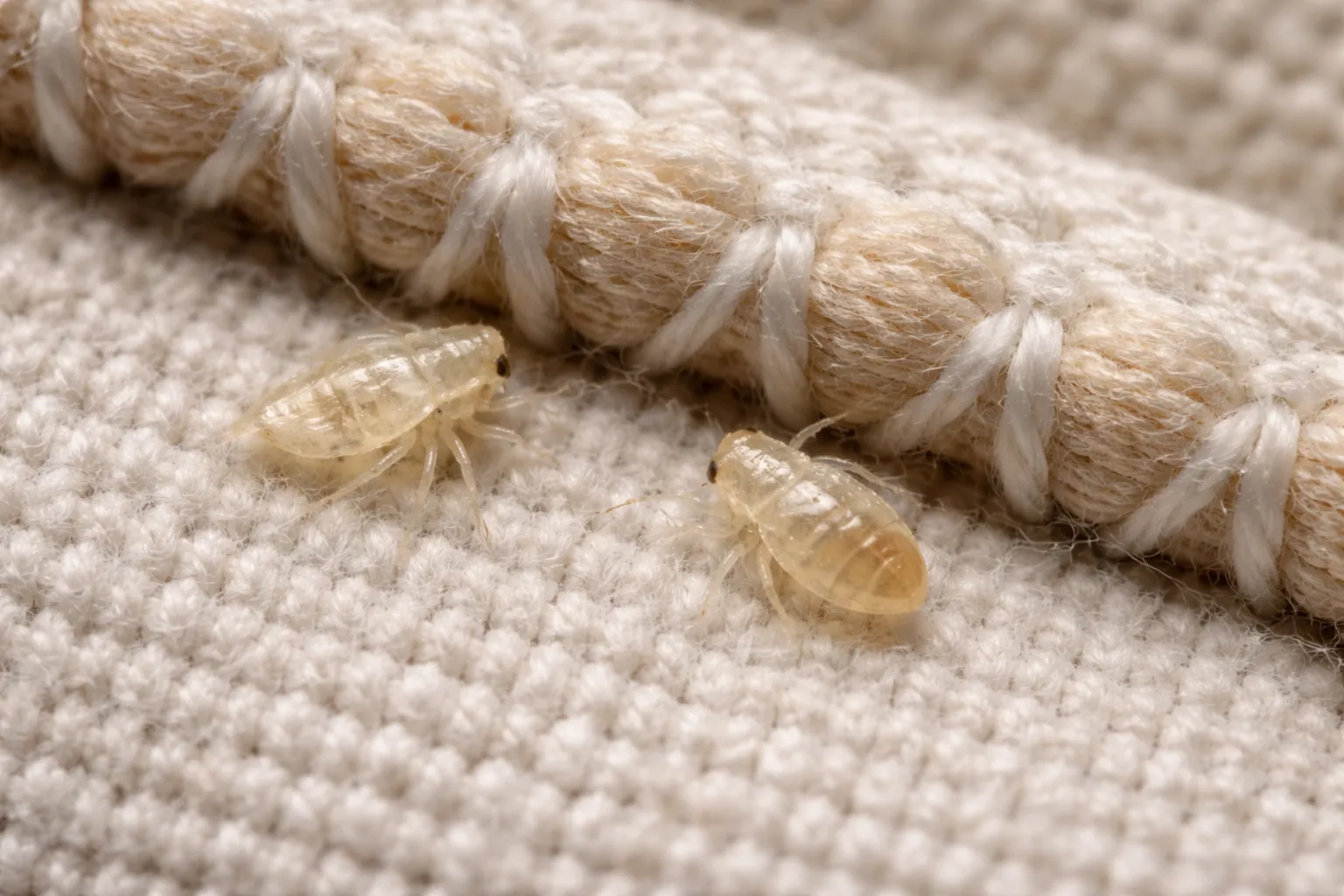
Once shells are found, inspections should expand outward. Follow edges, seams, and areas close to where people rest. Look behind headboards, under furniture, inside couch frames, and along baseboards room by room. Many people overlook low-traffic areas where bugs retreat during the day.
A common mistake is assuming shells alone mean the problem is over. In reality, shells often appear before live bugs are easily visible. Others misidentify dust or flakes as shells; understanding bed bug shells vs dirt helps avoid false alarms.
For full visual characteristics and stage comparisons, see our guide on what bed bug shells look like. If shells are concentrated on sleeping surfaces, our breakdown of bed bug shells on a mattress explains what that specifically indicates. If you cannot find live bugs at all, bed bug shells but no bugs covers why that happens.
For a complete framework on identifying shells and related evidence, refer back to the main Bed Bug Shells Identification Guide.
Ready to Confirm What You Found?
Now that you know where shells appear and what their presence means throughout a home, upload photos from key locations to verify bed bug activity.
- Are Bed Bugs Ever Black? The Real Color Range + What ‘Black Bed Bugs’ Usually Are
- Bed Bug Color by Stage: Eggs → Nymphs → Adults (Exact Sizes + Colors)
- Before vs After Feeding: Why Bed Bugs Change Color (Tan → Red → Dark)
- Can Bed Bugs Be Green or Orange? Not a Bed Bug — Here’s What It Likely Is
- Tiny Red Bug in Bed? When Bed Bugs Turn Red (Fed Nymphs vs Look-Alikes)
- White or Translucent Bugs on Mattress? Eggs, Nymphs, or Shed Skins Explained