Is This Bed Bug Shed Skin? Understanding the Molting Process
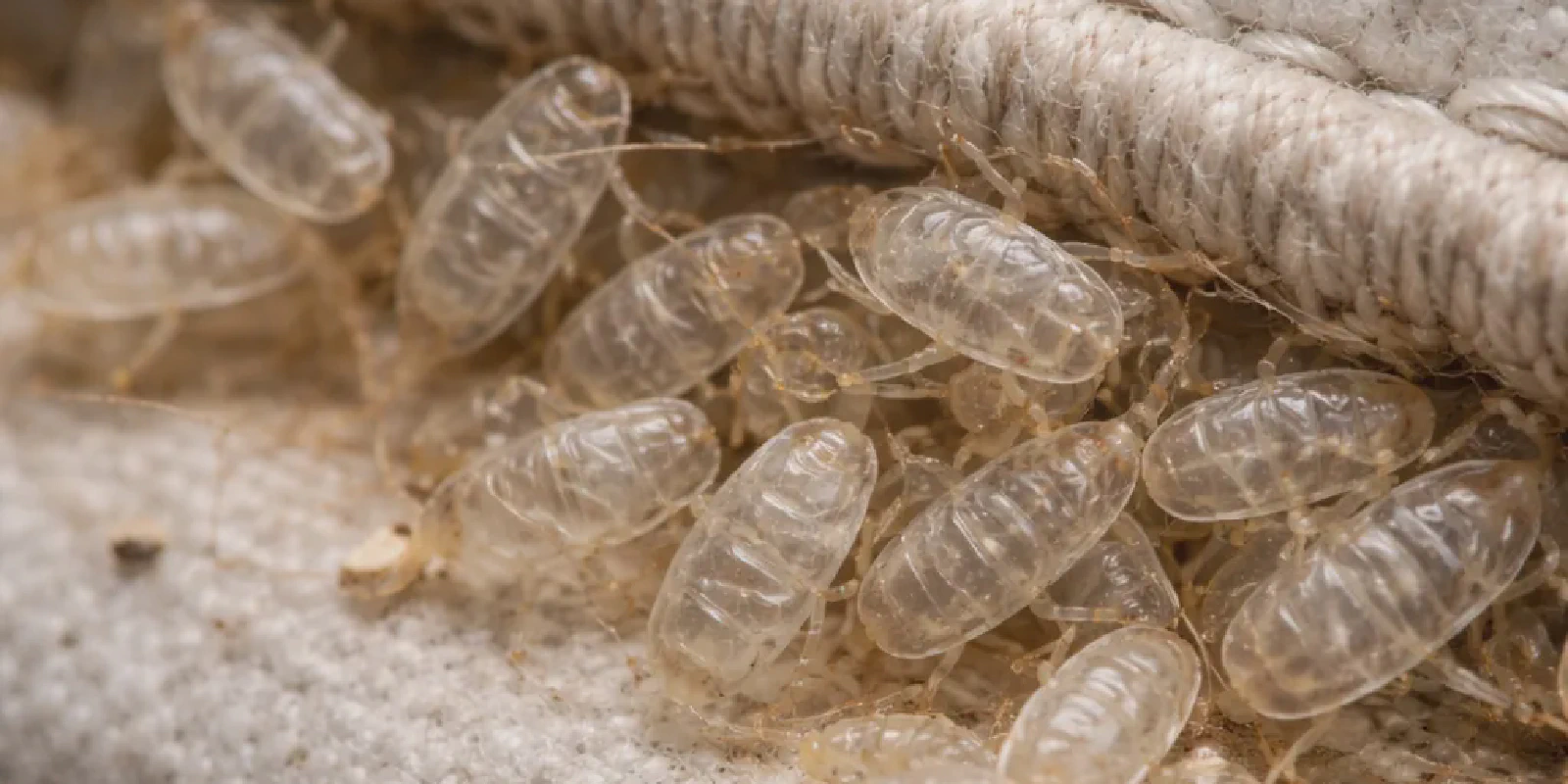
Bed bug shed skin (also called molted skin or cast skin) appears as translucent, paper-thin, hollow exoskeletons that retain the exact oval shape and segmented body structure of the bed bug that shed them. This physical evidence is critically important because it confirms active bed bug presence—nymphs must shed their skin five times before reaching adulthood, which is why shed skin is often noted during inspections when bed bugs are actively developing. Professional pest control inspectors specifically search for these molted skins during assessments because their presence indicates ongoing bed bug activity and helps determine infestation severity.
What Bed Bug Shed Skin Looks Like
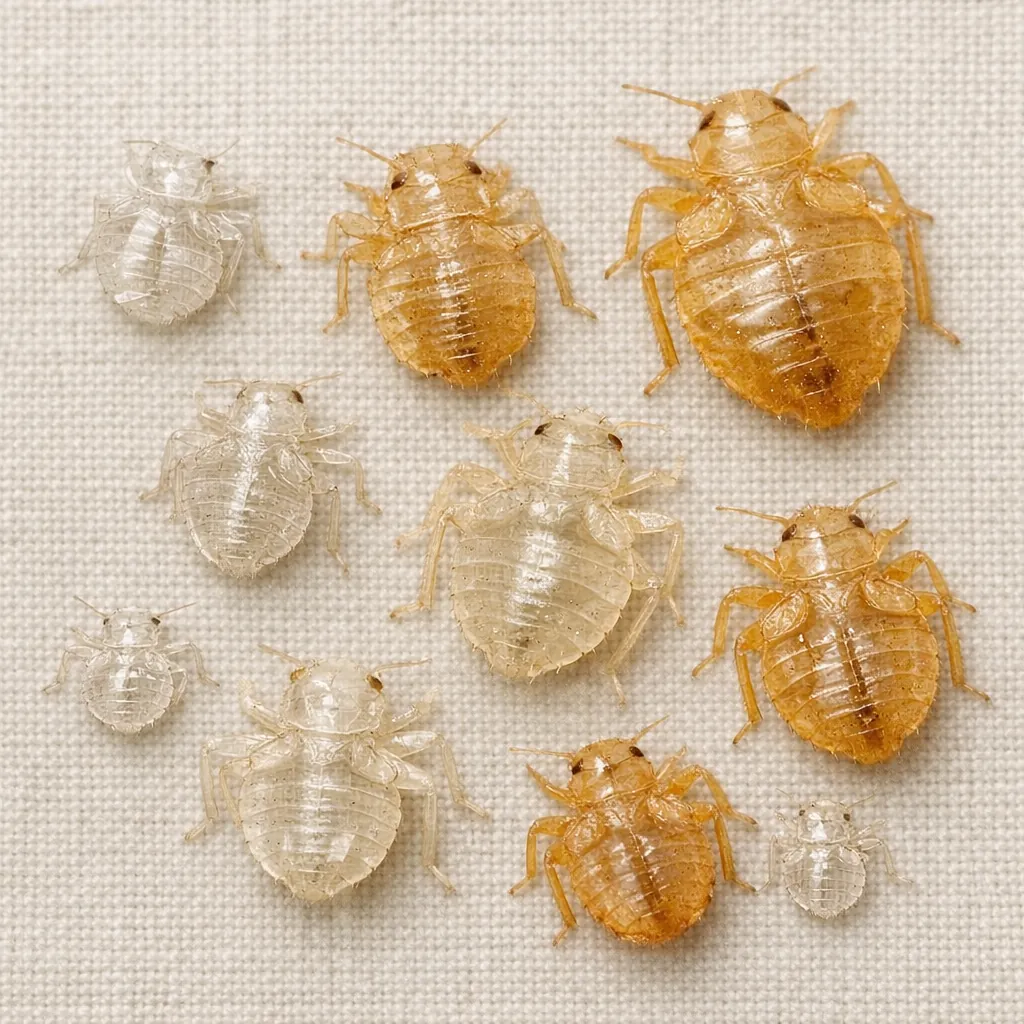
Bed bug shed skins measure between 1.5mm to 4.5mm in length depending on the nymph stage that molted them. These exoskeletons are translucent to light brown in color with a distinctive papery, brittle texture that crinkles easily when touched. Each shed skin displays the characteristic oval body shape with visible segmentation across the abdomen—you can actually see the individual body segments that make up the bed bug’s structure. The shed skins are completely hollow and often appear lighter in color than live bed bugs, sometimes taking on an almost ghostly, whitish-tan appearance.
The most diagnostic feature is the complete body outline preservation—shed skins show the head region with antennae impressions, the thorax section, and the segmented abdomen. Unlike live bed bugs, these casings are flat and two-dimensional since they’re essentially empty shells. When you discover bed bug molted skin in clusters (multiple casings in one location), this indicates a bed bug harborage site where nymphs have been actively feeding and molting through their growth stages. The quantity of shed skins directly correlates to infestation size—finding 10-20 casings suggests a more established population than finding just 1-2.
Have Evidence Photos?
Found these translucent, segmented casings matching the oval shape and size ranges described? Upload close-up photos of the shed skins you've discovered—our AI can confirm whether they're bed bug exoskeletons and assess infestation indicators based on quantity and location patterns.
Where You’ll Find Shed Skin
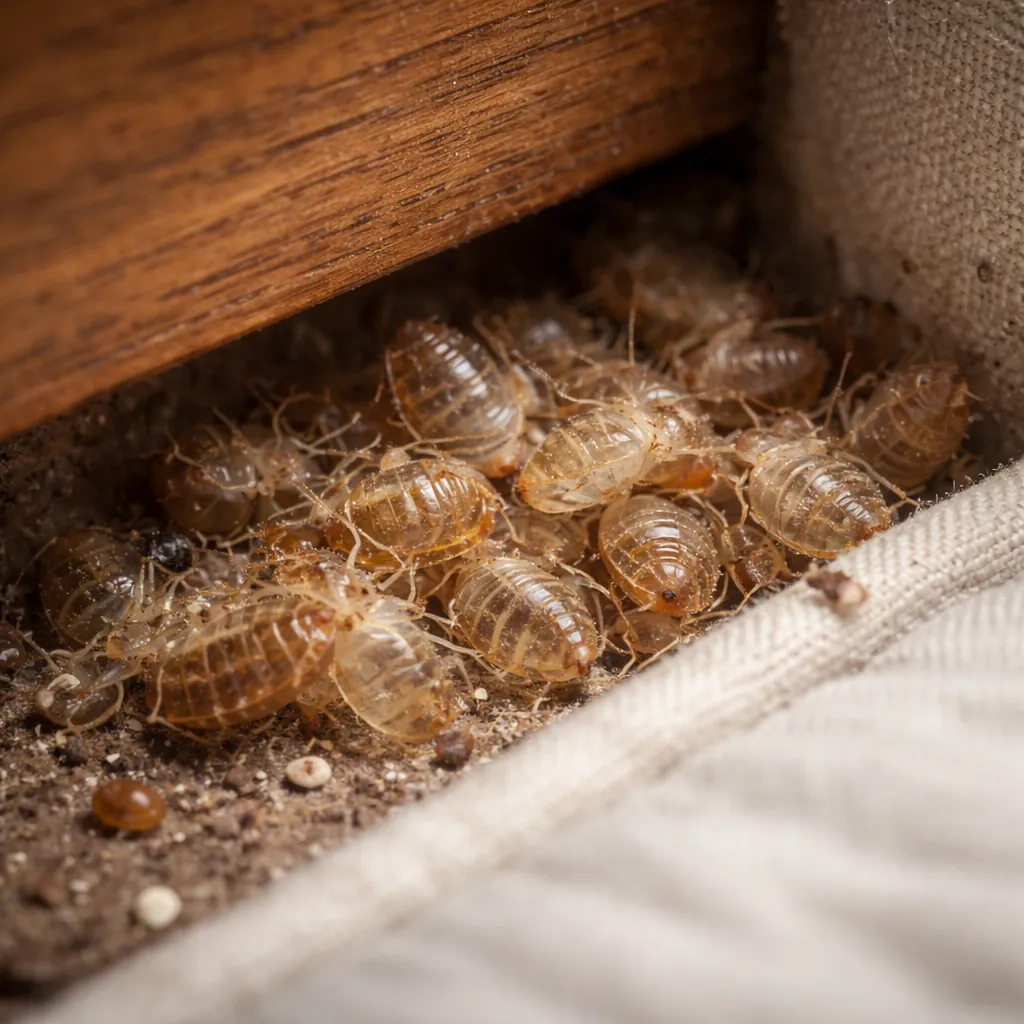
Bed bug shed skins concentrate in the same locations where bed bugs hide and feed. Check mattress seams, box spring corners, bed frame joints, and headboard crevices—these are primary molting sites because nymphs shed shortly after feeding. You’ll also find casings behind baseboards, inside electrical outlets, within furniture joints, and tucked into wall cracks near sleeping areas. The casings accumulate over time in harborage sites, so established infestations show layered collections of shed skins in various sizes representing different nymph stages.
Professional inspectors know that shed skin location patterns reveal infestation spread. Finding casings only on the bed suggests early-stage activity, while discovering them throughout a room indicates established population expansion. For comprehensive understanding of all bed bug physical evidence including eggs, fecal stains, and live specimens, see our detailed Bed Bug Shells Identification Guide covering complete shell casing identification, molting patterns, and what different quantities mean for treatment planning. While shed skin shows that bed bugs are actively growing, the presence of multiple casings can help indicate how established the activity may be.
Have Evidence Photos?
Armed with this expert knowledge of shed skin identification—the translucent oval casings, segmented body structure, size variations, and clustering patterns—you're ready to confirm your findings. Upload photos of the casings you've located to verify they're bed bug exoskeletons and determine infestation severity.
- Are Bed Bugs Ever Black? The Real Color Range + What ‘Black Bed Bugs’ Usually Are
- Bed Bug Color by Stage: Eggs → Nymphs → Adults (Exact Sizes + Colors)
- Before vs After Feeding: Why Bed Bugs Change Color (Tan → Red → Dark)
- Can Bed Bugs Be Green or Orange? Not a Bed Bug — Here’s What It Likely Is
- Tiny Red Bug in Bed? When Bed Bugs Turn Red (Fed Nymphs vs Look-Alikes)
- White or Translucent Bugs on Mattress? Eggs, Nymphs, or Shed Skins Explained